

> Editorial Note: I’m Hannah Lin, an interior living researcher focused on the practical side of home environments — air quality, surface maintenance, and the systems that make a home easier to live in. This article draws on residential air quality data, HVAC filtration standards, and the material science behind how dust behaves in enclosed spaces. No products are recommended here — this is a diagnostic and solutions guide.
A room that gets dusty faster than it should isn’t a cleaning failure. It’s usually a diagnostic one. You can wipe every surface in the house and find a fine gray film back on the nightstand by the next morning — not because you didn’t clean well enough, but because dusting the surfaces doesn’t fix the sources. There are three specific sources that account for most persistent dust accumulation in residential rooms.
If you’re exhausted from dusting the same shelves every few days, the answer isn’t to dust more often. It’s to understand what’s creating the problem. best floating shelves for living room can help get storage off horizontal dust-trap surfaces, and how to make a room smell good is a good companion once you’ve addressed the air quality side.
Why does my room get dusty so quickly after cleaning?
The answer most people don’t expect: cleaning often redistributes dust more than it removes it.
Dry dusting with a standard cotton cloth doesn’t capture particles — it displaces them. They go airborne and settle back onto surfaces within 2 to 4 hours. The same thing happens when you sweep a hardwood floor with a dry broom. Method matters as much as frequency.
Dust also settles fastest in rooms with minimal airflow. A bedroom with no ceiling fan and a rarely-running HVAC vent has no mechanism to carry suspended particles to a filter. What you’re calling “settling fast” is often just observation bias — you cleaned, it looked clean, then six hours later you looked again.
In average residential settings, dust accumulates at roughly 1 to 5 micrograms per cubic meter of room volume per day. A 12×14 bedroom with 8-foot ceilings holds about 1,344 cubic feet — that room will develop noticeable dust on horizontal surfaces within 2 to 4 days regardless of when it was last cleaned. The goal isn’t to eliminate accumulation; it’s to slow it down enough that you’re not cleaning every other day.
Reason 1: Your HVAC filter isn’t doing its job
HVAC filters are the primary dust-capture mechanism in any forced-air home. Most people don’t think about them as a factor in how dusty a room feels, but they’re arguably the most important one.
Standard fiberglass filters — the flat, cheap ones that come in a 4-pack — have a MERV rating of 1 to 4. MERV (Minimum Efficiency Reporting Value) measures what percentage of particles a filter captures at various size ranges. A MERV 1-4 filter captures large particles only. It’s designed to protect the HVAC equipment from debris, not to improve indoor air quality. Sub-25-micron particles, which make up the majority of visible household dust, pass straight through and get recirculated.
The upgrade in numbers: a MERV 11-13 filter captures 85 to 90% of particles in the 1 to 3 micron range. A MERV 16 captures 95%+. HEPA (used in portable air purifiers, since most residential HVAC can’t accommodate true HEPA) captures 99.97% of 0.3-micron particles. You don’t need HEPA in your furnace — but going from MERV 4 to MERV 12 is a real improvement.
Most homeowners replace filters every 90 days. That’s fine for a single-occupant home with no pets. With pets, high traffic, or allergies: every 30 to 45 days. A clogged filter stops filtering and can push accumulated debris back into the air when the fan runs. Hold your current filter up to light — if little or none passes through, replace it now regardless of schedule.
Reason 2: Fabric surfaces are your dust reservoir
Soft surfaces don’t look dusty the way a shelf does. That’s the problem. They hold dust invisibly and release it back into the air constantly.
Upholstered furniture, area rugs, carpet, curtains, throw pillows, and pet beds are dust reservoirs. Every time you sit down, walk across the rug, or adjust a throw pillow, you compress the fabric and expel a small cloud of particles. Hard floors accumulate visible dust; soft floors hold it invisible, building up slowly until it’s re-aerosolized.
A standard 8×10 area rug (80 sq ft) can hold several pounds of accumulated dust and fiber particles before vacuuming becomes clearly overdue. If you’re vacuuming with a standard upright without a HEPA-sealed exhaust, you’re recapturing maybe 70% of what you pick up and expelling the rest through the motor. A HEPA-sealed vacuum retains those particles rather than redistributing them.
Specific areas that accumulate without being obvious: curtains collect dust along the leading edge and bottom hem — shake outdoors or wash every 3 to 6 months. Throw pillow covers compress and release particles with every use — wash monthly. Upholstered furniture cushions and seams hold more than flat surfaces — vacuum with a brush attachment monthly, not just the floor around them.
Switching from carpet to hard floor in a single bedroom reduces that room’s dust accumulation by approximately 30 to 40%. Hard surfaces hold less and release less — that’s why the carpeted bedroom always seems dustier than the tile kitchen.
Reason 3: Entry points are continuously adding dust
Even if you address your HVAC filter and vacuum your soft surfaces, dust will keep coming in — because there are continuous entry points feeding it.
Outdoor dust enters through open windows, under exterior doors, and on clothing and shoes. That portion you can partially control. The indoor-generated portion is harder: textile fibers shed from clothing, bedding, and carpet through normal wear; stovetop cooking oil aerosolizes and then attracts airborne particles, creating clumped deposits near the kitchen; and human skin cell shedding — roughly 30,000 to 40,000 cells per hour per person — is a significant biological component most people don’t account for.
Entry-specific fixes: a doormat at every exterior entry catches particles before they reach living areas. A shoes-off policy prevents outdoor soil, pollen, and biological particles from distributing through the home — shoes carry a measurable load of everything the exterior floor has contacted. Window screens in good repair reduce particle entry. Sealing gaps around door frames and window sills reduces unfiltered air infiltration.
The bedroom accumulates more skin-cell dust than other rooms because that’s where people spend 7 to 8 hours breathing and moving. It’s the highest dust-generation zone per square foot in most homes — not fixable, but it explains why the bedroom always needs more attention than the dining room.
How to actually reduce dust accumulation long-term
The fix isn’t a single change — it’s a sequence that addresses all three reasons together.
Replace your HVAC filter with a MERV 11 or higher and set a calendar reminder for 30 to 45 days out. Switch to microfiber dusting cloths, which use electrostatic charge to capture particles rather than displacing them. Always dust before you vacuum — particles you knock off surfaces settle on the floor, and then you vacuum them. If you vacuum first, you’ll vacuum clean, then dust, then watch the displaced particles settle back on what you just cleaned.
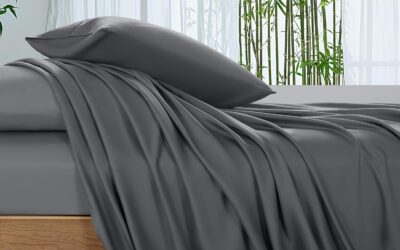
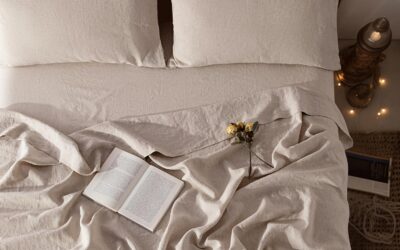
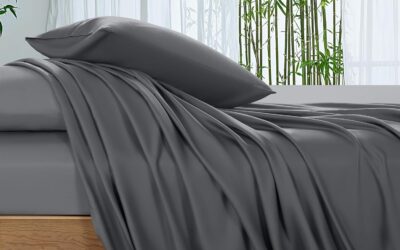
Vacuum upholstered surfaces monthly, not just the floor. Wash bedding weekly in hot water — the sleeping area is the single highest dust-generating location per square foot in the home. One person sheds enough skin cells in a single night to roughly fill a tablespoon; that material goes into the sheets, the pillowcase, and the surrounding air.
If dust is a serious problem — particularly with allergies or asthma — a portable HEPA air purifier running 8 hours overnight can filter the entire room volume 4 to 6 times before morning. It doesn’t eliminate the sources, but it meaningfully reduces what lands on surfaces.
Related reads: best bathroom organizer for keeping surfaces clutter-free, best shower caddy for bathroom surfaces, and best bedroom furniture sets queen if you’re reassessing your room layout.
HEPA Air Purifiers Worth Considering
If you’ve addressed the HVAC filter and the soft surfaces and dust is still building up faster than you’d like, a portable HEPA purifier or vacuum is the next lever. The five picks below cover a range of room sizes plus a HEPA vacuum option. Match the AHAM-verified coverage rating to your actual square footage, not the marketing number.


Pros
- AHAM verification proves real-world cleaning performance (143-167 CFM CADR across smoke, dust, pollen)
- Extremely quiet operation at 24dB in sleep mode, quieter than a whisper
- True HEPA-grade filtration independently tested at 99.97% efficiency for particles as small as 0.1 microns
- Complete display blackout feature for light-sensitive sleepers
- FCC, ETL, and CARB certified for safety and environmental standards
Cons
- Only covers 222 sq ft effectively at the 5x per hour rate, limiting use to small bedrooms or offices
- Must use official Levoit replacement filters for warranty and performance, which adds to long-term cost
- Currently showing 0 reviews on Amazon, so real-world user feedback is not yet available
If you wake up congested or struggle with pet allergies in your bedroom, this air purifier does the hard work while you sleep. The AHAM verification means it has been independently tested, so you are getting proven air cleaning performance, not just marketing promises. At 24dB in sleep mode, it is quieter than a library whisper, and the display goes completely dark so no annoying lights keep you awake.
What sets this apart is the balance of power and peace. That 56W motor delivers serious airflow (143 CFM CADR) to cycle your bedroom air nearly 5 times every hour, but it does it without the jet-engine noise cheaper purifiers make. The genuine HEPA filter captures everything from pollen to pet dander down to 0.1 microns, which matters if you are trying to reduce morning sniffles or lingering cooking smells.
If you want cleaner bedroom air without sacrificing quiet sleep or dealing with bright indicator lights, this one delivers.
Styles it works with: Modern Minimalist, Scandinavian, Contemporary, Transitional
Best placed in: On a nightstand or dresser in bedrooms up to 222 sq ft, on a desk in a home office, or in a nursery corner for clean air during naps
May not suit: Open-concept living areas or large master bedrooms over 250 sq ft where a single unit cannot keep up with the room volume, or homes needing a statement piece since the design is functional rather than decorative
Buy it if:
- You need proven allergen relief in a bedroom, nursery, or small office (under 222 sq ft)
- You are a light sleeper who needs both clean air and complete darkness at night
- You have pets and wake up congested or want to reduce dander in your sleeping space
Consider waiting if:
- You want to see real-world customer reviews before committing, since this listing currently has none
Skip it if:
- You need to purify a large living room, open floor plan, or bedroom over 250 sq ft
- You want the lowest possible ongoing costs and do not want to buy brand-specific replacement filters
Check the latest price and availability on Amazon before it sells out.

KNKA APH4000 Air Purifier - AHAM Certified HEPA Filter for Large Rooms Up to 1,695 Sq Ft with Real-Time AQI Display
Pros
- AHAM certified with high CADR ratings (226 CFM smoke/dust, 244 CFM pollen)
- Dual front-and-back filters with 3-stage filtration including activated carbon
- Multiple smart modes including PET, ECO, Auto, and ultra-quiet Sleep mode
- Real-time air quality sensor with color-coded display for instant feedback
- Efficient dual intake/outlet design refreshes air 4.8 times per hour in 350 sq ft rooms
Cons
- No customer reviews yet to verify real-world performance claims
- Replacement filters needed every 3-6 months adds ongoing maintenance cost
- Efficiency drops to 45% in maximum 1,695 sq ft coverage area
The KNKA APH4000 stands out because it brings commercial-grade air purification into your home without the industrial look or noise. That AHAM certification means you're getting verified performance, not just marketing promises. The dual filter design with front-and-back intakes moves air efficiently through your space, and you'll actually see the difference on the real-time AQI display as the color shifts from red to green.
What makes this especially smart for homes is the PET mode that cranks up the power when you need it most, plus the ECO mode that knows when to take a break and save energy. The sleep mode is genuinely quiet enough for light sleepers, running at just 22-24 dB. It looks clean and modern in white, fitting into any room without demanding attention.
If you want whole-home air purification that handles pet dander and allergens without constant filter changes or loud operation, this one delivers.
Styles it works with: Modern, Minimalist, Scandinavian, Contemporary
Best placed in: Living room corner near high-traffic areas, master bedroom beside dresser, open-concept kitchen/living space, home office or nursery
May not suit: Small apartments under 350 sq ft where a compact model would be more efficient, rooms with very low ceilings where the 80% efficiency rating won't be reached, traditional or ornate decor styles where the modern white design may look out of place
Buy it if:
- You have pets and need proven odor and dander control with dedicated PET mode
- You're managing allergies or asthma and want AHAM-certified performance you can trust
- You live in an open-concept home or large bedroom over 500 sq ft that needs serious air circulation
- You want to see real-time air quality changes instead of guessing if it's working
Consider waiting if:
- You want to read verified customer reviews before committing at this price point
- A sale or promotion might bring the price closer to $100
Skip it if:
- You need something compact for a small bedroom or dorm room under 300 sq ft
- You're not willing to budget for replacement filters every 3-6 months
- You prefer a model with app control or smart home integration
Check the latest price and availability on Amazon before it sells out.

Pros
- AHAM Verifide certification ensures independently tested performance
- Handles large rooms and open floor plans effectively
- Pet Mode specifically designed for homes with dogs or cats
- Washable pre-filter reduces long-term operating costs
- Very quiet in Sleep Mode at 25dB
Cons
- No customer reviews yet to confirm real-world performance
- Replacement filters must be genuine Levoit brand for warranty coverage
- May be oversized for small bedrooms or dorm rooms despite the product title
This air purifier stands out because it earned AHAM certification, which means its performance claims were tested by an independent lab, not just the manufacturer. For pet owners especially, the wide U-shaped air inlet is a game-changer. It traps fur and large particles before they clog the main filter, and you can rinse the pre-filter instead of buying a new one every few months.
The smart features feel genuinely useful rather than gimmicky. Set it to run on Pet Mode during the day when your dog is shedding, then switch to Sleep Mode at night when you need silence. The app lets you schedule everything in advance, so you come home to clean air without thinking about it.
If you want verified air cleaning power for a large space without paying premium prices for replacement filters every month, this one delivers.
Styles it works with: Modern Minimalist, Scandinavian, Contemporary, Pet-Friendly Homes
Best placed in: Open-concept living room, master bedroom corner, home office with pets, mudroom or pet area
May not suit: Small dorm rooms or bedrooms under 200 sq ft where a compact model would work better, homes seeking a decorative statement piece rather than functional design
Buy it if:
- You have pets and need an air purifier designed to handle fur and dander without constant filter changes
- You want AHAM-certified performance you can trust, not just manufacturer claims
- You have an open floor plan or large room up to 1,073 sq ft that needs whole-space air cleaning
- You want smart scheduling and app control to automate air quality management
Consider waiting if:
- You want to see verified customer reviews first since this model has zero reviews currently
- You are waiting for a sale or promotional bundle with extra filters included
Skip it if:
- You need a compact unit for a small bedroom or dorm room under 200 sq ft
- You prefer to avoid app-based controls and want simple manual operation only
Check the latest price and availability on Amazon before it sells out.

Pros
- AHAM VERIFIDE certification ensures reliable, tested performance
- Covers large spaces up to 1875 sq ft effectively
- Dual air inlet design handles pet hair without clogging
- Strong CADR ratings (250-289 CFM) across smoke, dust, and pollen
- Smart connectivity for remote monitoring and control
Cons
- No customer reviews yet to confirm long-term reliability
- Higher price point at $167.96 compared to basic models
- May be overkill for small single rooms under 500 sq ft
The LEVOIT Vital 200S-P solves a real problem for anyone with pets or allergies in a larger home. That U-shaped air inlet is genuinely clever because it tackles the pet hair clog issue that frustrates so many purifier owners. You get peace of mind from the AHAM certification, which means the performance claims are independently verified, not just marketing speak.
This purifier disappears into your living space visually while doing serious work in the background. It handles open-concept layouts, basements, and those awkward large bedrooms where smaller units just cycle the same air. The smart features mean you can check air quality from another room or adjust settings without getting up.
If you want whole-room air cleaning for a pet household or allergy management without constantly dealing with clogged filters, this one delivers.
Styles it works with: Modern, Contemporary, Minimalist, Transitional
Best placed in: Living room corner near seating area, large bedroom beside furniture, basement family room, open-concept kitchen and living space
May not suit: Small apartments or rooms under 500 sq ft where a compact unit makes more sense, highly decorative traditional homes where the modern aesthetic clashes, renters who move frequently and need something more portable
Buy it if:
- You have pets and are tired of purifiers that clog with fur after a few weeks
- Your living space is 1000+ sq ft and you need one unit to handle the entire area
- You or family members have seasonal allergies or asthma that affects daily comfort
- You want verified performance numbers, not just marketing claims
Consider waiting if:
- You prefer to see more customer reviews before investing in a newer model
- You are waiting for a seasonal sale or Prime Day discount
Skip it if:
- Your room is under 500 sq ft and a compact purifier would work better
- You need something ultra-quiet for a nursery or light sleeper's bedroom
- Your budget is firm under $150 and you can find a smaller certified unit
Check the latest price and availability on Amazon before it sells out.

Pros
- Lift-Away feature genuinely useful for stairs and furniture without buying a separate handheld
- HEPA filter with sealed system helps with allergies and asthma
- Strong suction picks up pet hair effectively
- Maneuvers easily around furniture with swivel steering
- Lightweight enough to carry upstairs
Cons
- No reviews yet to verify long-term durability
- Canister capacity may require frequent emptying in larger homes
- Corded design limits range compared to cordless models
The Shark Rotator NV501 solves the annoying problem of needing multiple vacuums. The Lift-Away pod detaches in one click, transforming this upright into a portable canister for stairs, couch cushions, and car interiors. You are not wrestling a full vacuum up and down steps or stretching hoses that barely reach.
The HEPA filtration is a real benefit if anyone in your home deals with allergies. It traps dust and dander inside instead of blowing it back into the room. The swivel steering is smooth enough that you can vacuum around dining chairs without stopping to reposition, and it transitions from area rugs to hardwood without adjustment.
If you want whole-home cleaning versatility without buying separate machines for floors and furniture, this one delivers.
Styles it works with: Modern, Transitional, Minimalist, Contemporary
Best placed in: Hall closet for easy access to all floors, utility room, bedroom closet on upper level
May not suit: Very small apartments with limited storage space for a full-size upright, homes with exclusively low-pile rugs where a stick vacuum would suffice
Buy it if:
- You have stairs and need to vacuum furniture without dragging a heavy machine
- Pet hair on carpets and upholstery is a constant battle
- Someone in your household has allergies or asthma
- You want one vacuum that handles multiple surfaces and above-floor cleaning
Consider waiting if:
- You prefer to see verified customer reviews before purchasing a vacuum at this price point
Skip it if:
- You need cordless convenience for quick daily cleanups
- Your home is single-level with minimal furniture and you rarely vacuum above floor level
Check the latest price and availability on Amazon before it sells out.
A purifier doesn’t replace good filter hygiene or weekly bedding washes — but for bedrooms over 200 square feet, it’s the only mechanism that actively pulls suspended particles out of the air rather than waiting for them to settle.
Frequently Asked Questions
Is dusty air a health concern?
For most people, household dust is a low-level irritant. For people with dust mite allergies, asthma, or respiratory sensitivities, it’s a genuine trigger. The relevant component isn’t the visible dust itself — it’s the sub-micron particles and biological material (dust mites, skin cells, mold spores, pet dander) suspended in the air or embedded in soft surfaces. If someone in your home has respiratory symptoms that worsen indoors, addressing the HVAC filter and soft surfaces is the most effective first step.
How often should I dust if my room gets dusty quickly?
Once a week with a microfiber cloth is the standard for most rooms; every 4 to 5 days for high-traffic bedrooms. The more important variable isn’t frequency — it’s method. A microfiber cloth used weekly captures more than a cotton cloth used daily. If you’re dusting more than twice a week and still struggling, the sources are the problem, not the schedule.

Does opening windows make a room dustier?
It depends. On a dry, windy day — especially near pollen sources or construction — open windows bring in significantly more particles than they remove. In still, humid conditions, the exchange is more neutral. If you’re trying to reduce dust, keep windows closed when it’s windy and use the HVAC system instead.
Why is there so much dust under my bed?
Low traffic, low airflow, and proximity to where you sleep — high skin-cell generation. Dust that settles on the floor migrates toward still zones through subtle air currents, and textile fibers from bedding accumulate there too. Vacuum under the bed monthly. A gap of 12 inches or more accumulates more than a gap of 3 to 4 inches.

Does a ceiling fan help or hurt with dust?
It helps more than it hurts. A fan on low keeps particles suspended where the HVAC filter can capture them, preventing the still-air settling that happens fastest in motionless rooms. The one caveat: if the blades are dusty and you turn it on after a long break, they’ll shed into the room. Clean the blades first. After that, running the fan on low continuously is better than running it intermittently.
What’s the fastest way to reduce dust in a bedroom?
Replace the HVAC filter if it’s overdue, then wash all bedding in hot water. Those two steps address the two highest-volume sources: a filter that isn’t capturing particles, and the skin-cell reservoir in the bedding. Follow with a HEPA vacuum on the mattress and upholstered surfaces. That sequence takes a few hours and produces a noticeable result faster than anything else.
Bottom Line
Most “dusty room” problems trace back to three sources: a low-MERV HVAC filter that doesn’t capture fine particles, fabric surfaces acting as dust reservoirs, and continuous entry from outdoor air and indoor shedding. Address all three in sequence and the cleaning frequency drops noticeably. A HEPA purifier closes the gap for bedrooms where dust still accumulates faster than you’d like — the picks above are the practical starting point.

Write Your Review
No reviews yet. Be the first to share your experience!