

> Editorial Note: I’m Liam Wright, an outdoor and garden editor. I grew up in my family’s landscaping business and now cover what actually survives a season of UV, rain, and freeze-thaw cycles. The picks here are evaluated against ASTM weatherability standards and manufacturer durability ratings.
You turn the knob to high and get a weak, blue, half-hearted flame that barely clears the glass. Nine times out of ten that’s not a broken fire pit. It’s a starved one, and propane starves in a few predictable ways: a safety-tripped tank valve, a cold or near-empty cylinder, or a clogged burner. Work through the tank first, then the gas flow, then the burner. If you’re building out the whole backyard, keep these nearby: best propane fire pit table, best patio furniture covers, best outdoor patio rug, best market umbrella, and why does my fire pit smoke so much.
Reason 1: The Weak Flame Right After You Swap the Tank
This is the most common one by far. You connect a fresh tank, turn the knob to high, and get a flame that never grows past a low flicker. That’s almost never the pit. It’s the safety valve inside the tank connector.
Every propane cylinder sold since 2002 has an OPD (overfill protection device) with a flow-limiting valve built into the coupling. Open the tank valve too fast, or turn the burner on before the tank, and the OPD reads it as a leak and drops the flow to a trickle. A 50,000 BTU burner running on that trickle produces a flame the size of a candle. Nothing is broken. The valve just latched into safety mode.
Low flame, fresh tank, correct hookup. That’s the bypass tripping, ten times out of ten.
Reason 2: The Flame That Shrinks on Cold Nights (Cold Tank)
You light it in 40-degree weather and the flame that roared last summer now sputters. Propane has to boil from liquid to gas inside the tank to feed the burner, and it boils slower as the cylinder gets cold. A tank sitting on a freezing patio can’t vaporize gas fast enough to keep a big burner fed.
The effect gets worse as the tank empties. A cylinder that’s low on liquid has less surface area boiling off gas, so a nearly empty tank on a cold night is a double hit. You’ll notice the flame is fine for a few minutes, then fades as the tank chills itself further by the draw. Weak flame, cold cylinder, dropping pressure.
Frost forming on the outside of the tank is the tell. That white ring means the liquid inside is boiling hard and chilling the steel. Cold tank, slow boil, low flame.
Reason 3: The Uneven Yellow Flame Across the Burner (Clogged Ports)
If the flame is low in some spots and dead in others, or it burns lazy and yellow instead of crisp, the burner ports are partly blocked. Spiders, rust, dust, and dead insects love the warm dark tube of an outdoor burner, and even a light film over the holes chokes the gas that should feed a clean flame.
A healthy propane flame is mostly blue with a touch of yellow at the tips and stands up evenly all the way around the ring. Ports crusted with debris starve whole sections, so you get a patchy, low, orange burn that never reaches full height. It’s the outdoor equivalent of a clogged shower head. Blocked holes, weak spray.
Look down at the burner ring in daylight. Visible gunk, cobwebs, or a spider tube plugging the venturi is your answer. Clogged ports, choked flame.
Fix 1: Reset the OPD, Then Open the Tank the Right Way
Start here because it costs nothing and fixes most low-flame complaints. Turn the burner knob OFF. Close the tank valve fully. Wait 30 seconds so the flow-limiter can reset. Then open the tank valve slowly, a quarter turn at a time, and only after it’s fully open do you light the burner. Order matters: tank first, always.
If it’s still low, disconnect and reconnect the regulator to clear a latched bypass. Check that the hose isn’t kinked and the connection is hand-tight plus a nudge, not cranked down. Overtightening the coupling can actually trip the same safety. Slow open, correct order, snug fitting. That sequence revives a huge share of “dead” pits.
Confirm you’ve actually got gas, too. A tank you thought was full can be near empty. Pour warm water down the side and feel for the cold line, which marks the liquid level. No cold line means no fuel, and no fuel means no flame.
Fix 2: Warm the Tank and Manage the Cold
Give the propane a fighting chance in cold weather. Keep the tank out of wind and off frozen concrete, since a cylinder on a cold slab loses heat fast. Setting it on a wood board or a paver instead of bare stone helps it hold a few degrees. Never bring it indoors or apply direct heat, though. That’s a genuine hazard, not a shortcut.
Size the tank to the job when it’s cold. A standard 20-pound cylinder can struggle to feed a 50,000 to 60,000 BTU burner below freezing because it just can’t vaporize gas fast enough. Starting with a full or nearly full tank gives you more boiling surface and steadier pressure. Full tank, sheltered spot, steadier flame on a cold night.
If you burn year-round in a cold climate, a larger cylinder solves the vaporization ceiling for good. More liquid surface means more gas per minute, which is exactly what a high-BTU pit needs when the mercury drops.
Fix 3: Clean the Burner and Clear the Ports
When the flame is patchy or yellow, clean the burner. Shut off the gas, let everything cool, and lift out the glass stones or lava rock so you can see the ring. Brush the ports with a stiff wire brush and run a thin pick or a paperclip through any hole that’s plugged. Clear every port, not just the dead ones.
Check the venturi tube where the burner meets the gas line, because that’s where spiders build nests that choke the whole system. A pipe cleaner run through the tube clears it. Reassemble, then relight and watch for an even blue-and-yellow flame standing up all the way around. Clean ports, open venturi, full flame.
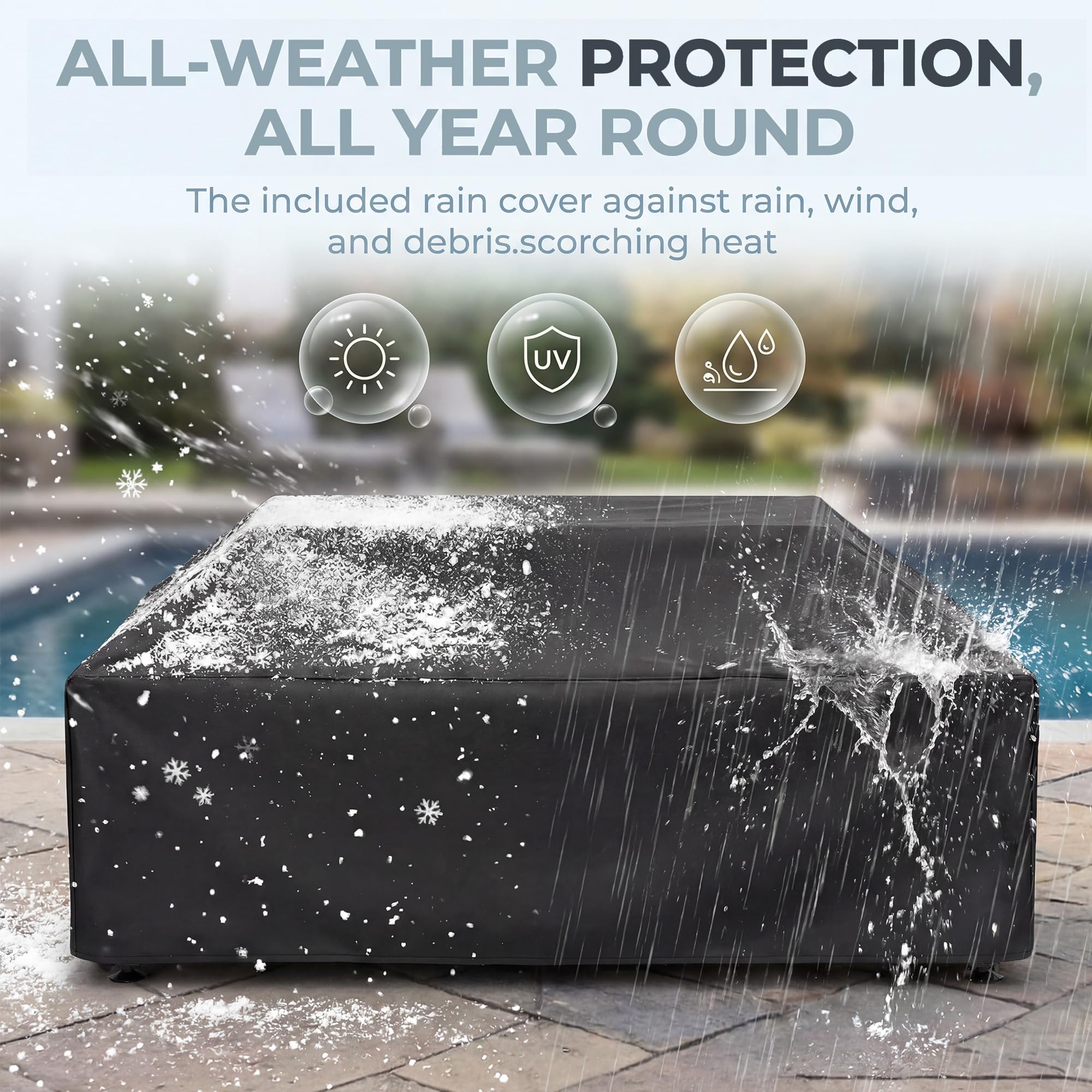
Keep water off the burner going forward. A fitted cover between uses keeps rain, insects, and debris out of the ports, which is the cheapest way to stop the clog from coming back. Consumer Reports makes the same point about gas burners generally: a covered, clean burner outlasts an exposed one by years.
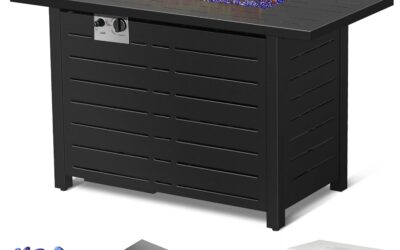
The three propane fire pit tables below all clear a 4.3 owner rating and ship with burners sized for a full, tall flame rather than a weak one. Each pairs a rated burner with a wind-sheltered center basin, which is exactly what keeps the flame steady on a breezy or cold night. Start with R.W.Flame if you want a 43-inch, 50,000 BTU table with a waterproof cover and glass stones included. Choose Rattaner if you want a full 7-piece furniture set built around a 60,000 BTU fire pit table. Pick NICESOUL if you want a no-assembly 42-inch, 50,000 BTU table with a hidden tank spot.

Pros
- Strong 50,000 BTU heat output covers large seating areas effectively
- CSA safety certification provides peace of mind for outdoor use
- Multi-functional design with removable lid works as fire pit or outdoor table
- Included glass stones and waterproof cover add value at this price point
- Smokeless propane burns clean without ash cleanup or wood storage needs
Cons
- Propane tank sold separately and visible during use may affect aesthetic
- 43-inch size requires adequate patio space and may overwhelm smaller balconies
- Assembly required though instructions are provided
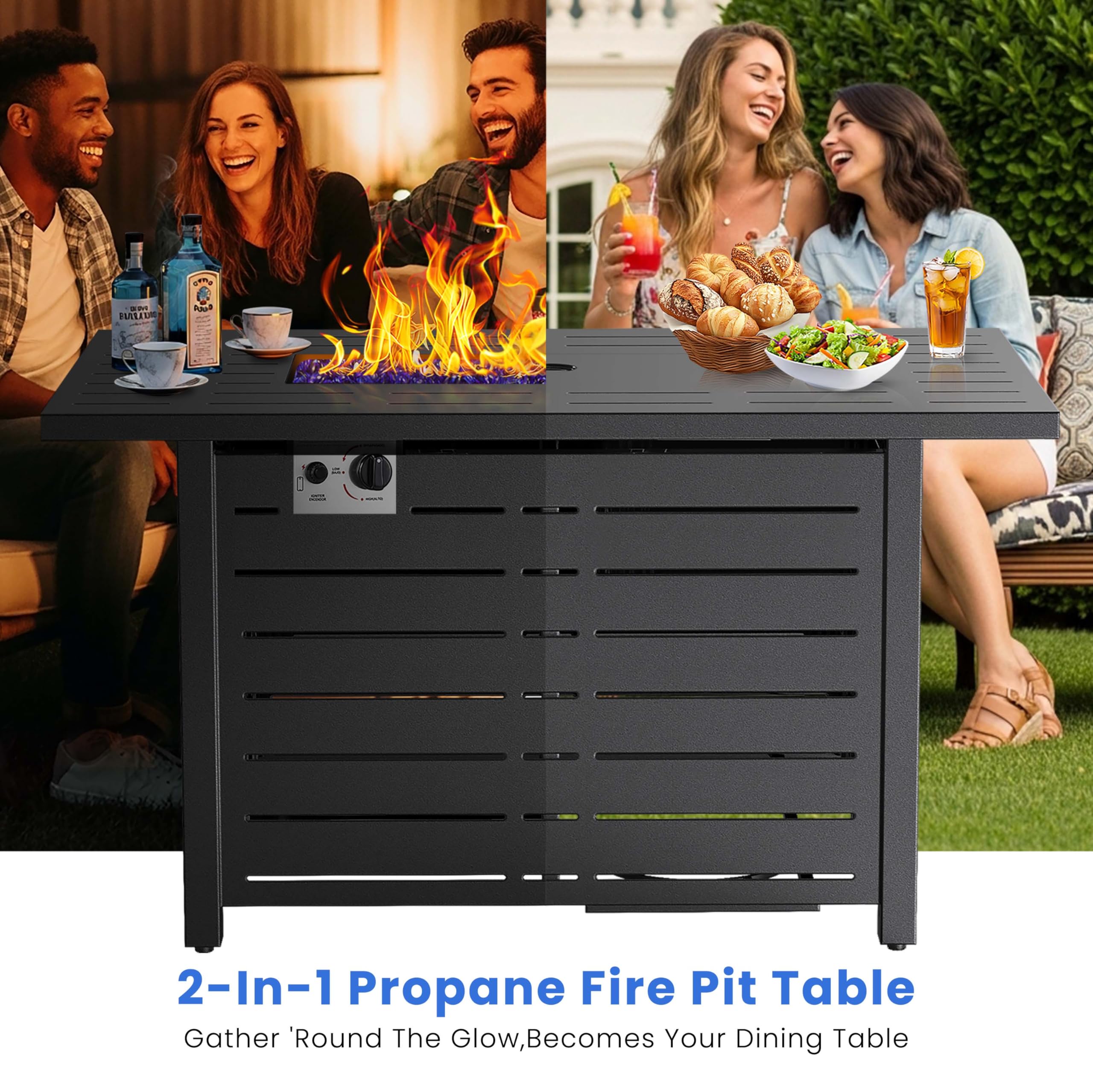
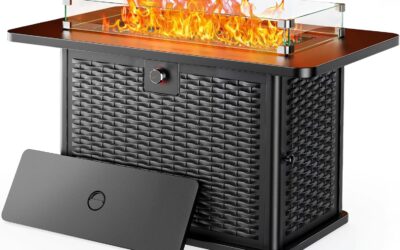
This fire pit table strikes that sweet spot between function and atmosphere. The 50,000 BTU output genuinely warms your space (not just decorative flames), while the glass stones catch and reflect the firelight beautifully. It feels more like permanent patio furniture than camping gear.
What sets it apart is the removable lid that converts it to a regular table. Spring through fall, it is your fire pit. During off-season or when you need table space for food and drinks, pop the lid on. The integrated cup holders are a thoughtful touch that shows they actually considered how people use these things.
If you want a four-season outdoor centerpiece that handles both intimate evenings and larger gatherings without constantly tending to wood or dealing with smoke, this one delivers.
Styles it works with: Modern Farmhouse, Contemporary, Transitional, Rustic
Best placed in: Patio seating areas, backyard deck centers, poolside lounging zones, covered outdoor living rooms
May not suit: Small apartment balconies under 100 square feet, homes with very young children who need extra distance from open flames, ultra-minimalist spaces where the black square design may feel too heavy
Buy it if:
- You host outdoor gatherings regularly and want a focal point that keeps guests comfortable
- You need a fire feature that works as functional furniture when not lit
- You prefer the convenience and cleanliness of propane over wood-burning options
- You have adequate patio space for a 43-inch square footprint
Consider waiting if:
- You are hoping for a round design or different color option to match existing furniture
- You want to compare heat output during a cooler month when you can truly test performance
Skip it if:
- Your outdoor space is under 80 square feet or you need something portable
- You strongly prefer the authentic crackle and aroma of wood-burning fire pits
Check the latest price and availability on Amazon before it sells out.
Pros
- Dual-purpose fire pit table saves space and extends functionality year-round
- Thick cushions with anti-slip backing eliminate constant repositioning
- Durable hand-woven wicker and steel construction built for outdoor elements
- Modular pieces adapt to different patio layouts and guest counts
- Includes protective covers that most competitors charge extra for
Cons
- Propane tank not included, adds $50-70 to initial setup cost
- Ships in 4 separate boxes which can arrive on different days
- Assembly required with multiple components, plan 2-3 hours for setup
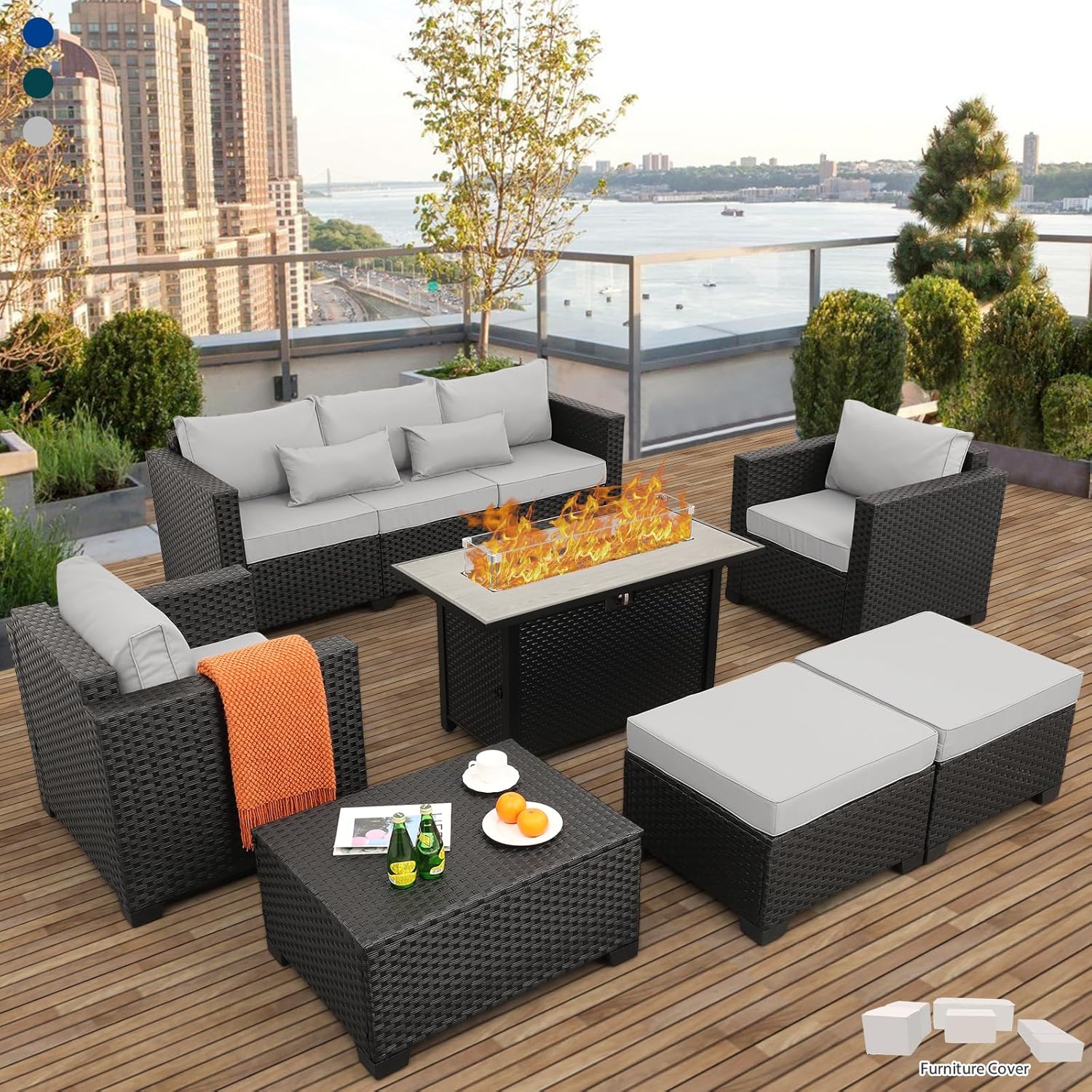
This set solves the biggest problem with outdoor entertaining: buying a sofa, chairs, ottoman, and fire pit separately almost always looks mismatched and costs more. Rattaner designed these seven pieces to work together visually and functionally, so your patio feels like an intentional outdoor room instead of a furniture showroom.
The fire pit table is the real star. On chilly evenings, crank up the 60,000 BTU burner and watch flames dance through blue crystal beads while guests stay cozy. When you are hosting a daytime BBQ, close the lid and suddenly you have a full dining surface with that wood-grain tile look. The hand-woven wicker has enough texture to feel high-end without snagging clothing, and those 4-inch cushions with dotted non-slip backing actually stay put during conversation, no constant fluffing required.
If you want a complete outdoor living space that transitions from afternoon coffee to evening s'mores without shuffling furniture around, this one delivers.
Styles it works with: Modern Farmhouse, Coastal, Transitional, Contemporary Casual
Best placed in: Covered patios with 10x12 ft minimum space, poolside lounging areas, screened porches, backyard decks with overhead protection
May not suit: Fully exposed yards without covered areas (cushions need protection from heavy rain), small apartment balconies under 8x10 ft, homes needing ADA-width pathways around furniture, renters who move frequently due to assembly complexity
Buy it if:
- You are furnishing a new patio from scratch and want cohesive style without shopping multiple stores
- You host outdoor gatherings at least twice a month from spring through fall
- You have covered patio space that protects furniture from constant direct rain
- You want fire pit ambiance but also need practical table space for drinks and plates
Consider waiting if:
- You need specific cushion colors beyond light grey to match existing outdoor decor
- A sale event is coming up in the next 2-3 weeks and you are not in a rush
Skip it if:
- Your patio is smaller than 10x10 feet or you need furniture that folds for storage
- You live in an area with propane restrictions or prefer wood-burning fire features
- You need furniture that assembles in under 30 minutes without tools
Check the latest price and availability on Amazon before it sells out.

NICESOUL 42" Propane Fire Pit Table - 50,000 BTU CSA Certified No Assembly Rectangle Firepit with Tank Holder & Cover
Pros
- True no-assembly design saves 1-2 hours compared to typical fire pits
- Three-in-one functionality maximizes patio furniture investment
- Includes all accessories needed - tank table, cover, wind guard, and fire glass
- 50,000 BTU output provides substantial warmth for cooler evenings
- Dual fuel capability offers flexibility between propane portability and natural gas convenience
Cons
- 42-inch length may overwhelm smaller patios or balconies
- New product with zero verified customer reviews to confirm long-term durability
- Grayish white finish limits color options for buyers matching existing outdoor furniture
This fire pit solves the biggest frustration with outdoor fire tables: assembly. While most competitors have you wrestling with 30+ pieces and confusing diagrams, NICESOUL ships this fully built. You literally unbox it, connect your propane tank to the included side table, and you're roasting marshmallows within 10 minutes.
The three-way convertibility makes it genuinely useful beyond fire nights. Snap on the glass wind guard when it's breezy, or cover it with the included lid to gain a 42-inch coffee table for morning coffee or taco Tuesday. The powder-coated steel frame and stainless burner mean you can leave it outside year-round without babying it, and the blue fire glass adds a modern glow that looks intentional in Instagram photos.
If you want instant backyard ambiance without spending your Saturday afternoon with an Allen wrench, this one delivers.
Styles it works with: Modern Farmhouse, Coastal, Contemporary, Transitional
Best placed in: Covered patio seating area, backyard firepit zone with Adirondack chairs, poolside lounge space
May not suit: Apartment balconies or small 8x10 patios where the 42-inch footprint dominates the space, homes in HOAs with strict open flame restrictions, renters without natural gas hookup access if avoiding propane tanks
Buy it if:
- You want a fire pit tonight and refuse to spend hours assembling one
- You need a dual-purpose piece that works as both fire feature and outdoor table
- You have a medium to large patio with room for a 42-inch centerpiece
Consider waiting if:
- You prefer a darker finish and want to see if NICESOUL releases additional color options
- You want to read verified long-term durability reviews from other buyers first
Skip it if:
- You have a small balcony or patio under 100 square feet
- You need a compact 30-inch or smaller fire pit for tight spaces
Check the latest price and availability on Amazon before it sells out.
The 5-Minute Low-Flame Diagnosis
Run this before you assume the pit is dead. First, confirm the hookup order: knob off, tank closed, wait, tank open slow, then light. That alone fixes most cases. Second, check the fuel with the warm-water trick and feel for the cold liquid line. Third, look at the flame color and shape once it’s lit.
A crisp flame that stands tall and even means the gas is flowing right. A low, blue, uniform flame usually means a tripped OPD or low pressure. A patchy yellow flame means blocked ports. Each symptom points to a different fix, so read the flame before you reach for a tool.
Then check the weather and the tank temperature. On a cold night with a low tank, expect a smaller flame no matter what, and plan for a full cylinder. The Hearth, Patio and Barbecue Association gives the same core guidance for gas appliances: steady pressure and a clean, unobstructed burner are what produce a full flame.
What to Change Before Replacing the Pit
Start with the hookup, not a new fire pit. The OPD reset and the correct tank-first sequence fix the single most common low-flame problem, and they cost nothing but a minute. Get the gas flowing right first.
Handle the tank next. A full, sheltered, room-temperature-ish cylinder feeds a high-BTU burner far better than a cold, near-empty one, especially in winter. Fuel and temperature explain most seasonal flame drops.
Then clean the burner. Clear ports and an open venturi restore a tall, even flame without any new gear, and a cover keeps them clear. Only after all three checks should you suspect a failed regulator, which is a cheap part to swap and the last thing to try before writing off the pit.
Frequently Asked Questions
Why is my propane fire pit flame so low right after a new tank?
Almost always the OPD safety valve. Opening the tank too fast or lighting the burner before the tank trips the flow limiter into safety mode. Turn everything off, close the tank, wait 30 seconds, then open the tank valve slowly before lighting.
Does cold weather make a fire pit flame smaller?
Yes. Propane boils from liquid to gas slower when the tank is cold, so a chilled or near-empty cylinder can’t feed a big burner fast enough. Frost on the tank is the sign. Use a full tank and keep it off frozen concrete.
How do I know if my fire pit burner is clogged?
Look for a patchy, low, or yellow flame that’s dead in some spots. That means blocked ports from rust, dust, or spider nests. Brush the ports, run a pick through plugged holes, and clear the venturi tube where the burner meets the gas line.
Why does my fire pit flame fade after a few minutes?
The tank is chilling itself as it draws. A low cylinder on a cold night boils hard, frosts over, and the pressure drops, so the flame shrinks after the first few minutes. A fuller tank in a sheltered spot holds pressure longer.
Can a bad regulator cause a low flame?
Yes, but check the tank and burner first. A failed or stuck regulator limits gas flow to the burner, but a tripped OPD, a cold tank, or clogged ports cause the same symptom far more often and cost nothing to rule out. Swap the regulator only after those checks.
Bottom Line
A low fire pit flame almost always traces back to gas flow, not a broken pit: a tripped OPD safety valve, a cold or near-empty tank, or clogged burner ports. Reset the tank connection and open the valve slowly, keep a full cylinder out of the cold, and clean the ports and venturi before you replace anything. The R.W.Flame table is the one most people should start with for its included cover and glass stones, and the Rattaner set is the pick if you want a full seating group around a 60,000 BTU burner. Get the gas flowing right, and the flame stands tall.
Write Your Review
No reviews yet. Be the first to share your experience!