

> Editorial Note: I’m Hannah Lin, an Interior Living Researcher who’s spent 9+ years analyzing the home furniture market. This guide draws on BIFMA, GREENGUARD, and FSC certifications, plus owner reviews aggregated from Wirecutter, Apartment Therapy, and the major home design subreddits.
The mistake almost everyone makes is the same one: scattering a few objects across the surface with nothing to hold them together. No tray, no anchor, no logic. Each piece floats on its own little island, and the whole table reads as clutter instead of a styled vignette. The fix isn’t more stuff. It’s structure. Get the layout right and three cheap objects will look intentional; get it wrong and a hundred dollars of decor still looks like a junk drawer. If you’re still sorting out the bigger room, start with the coffee table for living room and best lift top coffee table guides, then layer in decorative vases for living room, living room wall art, and how to arrange living room furniture.
The Ground Rules Before You Start
Three non-negotiables before a single object lands. First, always corral your pieces on a tray or a stack of books. A defined zone reads as deliberate; loose items read as mess. Second, work in odd numbers and vary the heights. Three objects at three different heights beats four matched ones every time, a rule Apartment Therapy editors repeat constantly. Third, leave breathing room: keep at least half the tabletop clear. On a standard 48-inch table, that means your styled zone shouldn’t sprawl past 24 inches. Crowding kills the effect faster than anything.
Step 1: Start With a Tray to Anchor Everything
Start with the tray. Everything else follows. A tray gives your grouping a visible boundary, which is the single fastest way to make a coffee table look styled instead of accidental. Pick one that covers roughly a third of the surface. On a 48-inch table, a 14 to 16-inch round or rectangular tray hits the proportions right without eating the whole top.
Place it slightly off-center rather than dead-middle. Centered objects feel static; a tray pushed toward one end leaves open space for a mug, a remote, or a pair of feet. That negative space is doing real work. Wirecutter’s home team makes the same point: usable surface matters more than full coverage.
Round trays soften rooms full of hard angles. Rectangular ones echo the lines of a square or rectangular table. Either way, the tray becomes the floor of your vignette, and every other piece sits inside or just beside it. Once the boundary exists, the rest of the styling almost arranges itself. No tray, no anchor. That’s the whole point of step one.
Step 2: Build Height With Stacked Books
Flat tables look flat because everything sits at the same level. Books fix that. Stack two or three hardcovers, ideally 1.5 to 2 inches of combined height, to create a raised platform inside or next to your tray. That lift gives the eye a reason to travel up instead of skating across a single plane.
Largest book on the bottom, smallest on top. It sounds obvious, but a reversed stack looks unstable and reads wrong even when people can’t say why. Pull dust jackets off if they’re loud; a clean cloth or matte spine photographs better and won’t clash with your palette.
The top book becomes a pedestal. Set a small object on it, a candle, a little dish, a sculpture, and you’ve instantly created two height tiers from one stack. Designers at Apartment Therapy lean on this trick precisely because it costs almost nothing. Color-coordinate the spines to your room if you want polish, or leave them mixed for a lived-in look. Books are the cheapest height you’ll ever buy.
Step 3: Add an Organic or Sculptural Element
Now break the boxiness. Trays and books are all straight lines and right angles, so the third layer should bring a curve or an unexpected shape. A sculptural object, a small figurine, an abstract form, a piece of carved wood, adds the visual friction that makes a vignette interesting instead of tidy.
Keep it small. Anything taller than 6 to 8 inches starts competing with sightlines across the room, and you’ll block conversation. A palm-sized piece tucked beside the book stack reads as a considered detail, not a centerpiece fighting for attention.
Sculptural pieces also carry personality that mass-produced decor can’t. A reading-figure statue, an abstract twist of metal, a small ceramic form: these are the items guests actually comment on. Place it at a different height than your books so the three elements form a loose triangle. That triangle, with varied heights at each point, is the backbone of nearly every styled table you’ve admired. Odd shape, odd number, three distinct levels. Done right, it looks effortless.
Step 4: Finish With Something Living (or Faux)
Greenery is the finishing layer. A small plant, a short stem in a bud vase, or a quality faux sprig adds the organic color that pulls the whole grouping together. Without it, even a well-stacked table can feel a little lifeless.
Keep the height under 10 inches so it doesn’t obstruct the view across your sofa. A trailing pothos in a 4-inch pot, a single eucalyptus stem, or three stems in a low vase all work. Faux is fine here. Choose one with realistic color variation and matte (not plastic-shiny) leaves, and nobody will know.
Position the greenery to balance your tallest existing element. If the sculpture sits left, the plant goes right. You’re aiming for visual equilibrium, not symmetry. Real plants need light and water, so match the species to your room’s conditions; low-light corners do better with a snake plant or faux stem than a fussy fern. That’s the last layer. Tray, height, shape, life. Four pieces, and you’re done.
The Right Pieces Make Styling Easier
The three picks below map directly to the steps above: an anchoring tray, a stackable styling book for height, and a sculptural object. Each clears a 4.0-plus owner rating except the styling book, which I’ve flagged honestly below.


Pros
- Strong 4.6-star rating across nearly a thousand reviews signals consistent quality and buyer satisfaction
- Versatile neutral color works across modern, minimalist, Scandinavian, and transitional interiors
- Small footprint makes it easy to style into existing shelfie arrangements without rearranging everything
- Resin material is durable and low-maintenance compared to ceramic alternatives at this price
Cons
- At roughly 4.5 inches tall it can look undersized as a standalone centerpiece on larger surfaces like a wide console table
- Only available in beige, so buyers looking for black, white, or metallic finishes will need to look elsewhere
- Resin construction may not feel as premium as stone or ceramic to shoppers who prioritize material quality
There is something quietly appealing about a small sculpture that actually means something. The UTTCMK Thinker Reading Statue earns its place on a shelf not by being loud or oversized, but by being just specific enough to feel personal. A figure lost in a book is a universally relatable image, and in beige resin it carries a soft, matte warmth that photographs well and reads elegantly in person.
In a real room, this piece works the way a good candle or a small plant does: it fills a corner of a shelf without demanding attention, but visitors still notice it. Styled alongside a few paperbacks, a small plant, or a neutral ceramic vase, it anchors a bookshelf vignette without requiring any design expertise. It is the kind of object that makes a rented apartment feel like someone actually lives there.
If you want to give a shelf or desk a thoughtful, bookish personality without spending a lot or committing to a bold statement piece, this one delivers.
Styles it works with: Minimalist, Scandinavian, Modern Transitional, Academic or Library-inspired
Best placed in: Living room bookshelf or built-in display, home office desk or credenza, bedroom nightstand or floating shelf
May not suit: Very large or grand surfaces like wide mantelpieces where the 4.5-inch scale will feel lost; heavily ornate or maximalist interiors where the understated beige finish may read as too plain
Buy it if:
- You have an empty corner on a bookshelf or desk and want something with a personal, literary feel rather than a generic decorative object
- You need a low-cost, ready-to-wrap gift for a reader, student, teacher, or librarian who has most things already
- You are building a shelfie or styled vignette and need one small sculptural element to finish the composition
Consider waiting if:
- You are decorating a space with a specific color scheme that requires black, white, or a metallic accent rather than beige
Skip it if:
- You need a statement piece that can hold its own as a solo centerpiece on a large console table or dining sideboard
- You specifically want a heavier, ceramic or stone-feel material and are willing to pay more for that tactile quality
Check the latest price and availability on Amazon before it sells out.

Pros
- Genuinely lightweight for its size, making it easy to move without disturbing styled arrangements
- Neutral black rustic finish pairs well with a wide range of existing decor without clashing
- Raised rim adds real functional value by keeping items secure on uneven or busy surfaces
- Versatile enough to serve as a bathroom tray, vanity organizer, or kitchen counter catchall in one purchase
Cons
- At 11 inches, the tray is compact and may feel too small for larger coffee tables or ottomans that need a more substantial centerpiece
- Paulownia wood is lightweight but less dense than oak or acacia, so it may show dents or scratches with rough daily use
- Only available in one size in this listing, which limits options if your space calls for something smaller or larger
There is something genuinely satisfying about a tray that does its job quietly. The Ayiaren round wood tray is not trying to be a statement piece, and that is exactly what makes it so useful. It gives your coffee table or bathroom counter a finished, intentional look without competing with the things you place on it. The black rustic finish is subtle enough to disappear into the background while still adding warmth.
In everyday use, the raised edges are a small detail that makes a real difference. Candles do not slide around, small succulents stay put, and the whole arrangement survives a bumped knee or a restless pet far better than a flat surface would. The paulownia wood keeps the tray light enough to pick up with one hand and move to the side when you need to clean underneath.
It also makes seasonal restyling genuinely easy. Swap in some pine cones and a pillar candle for fall, a small vase and greenery for spring, and the tray itself never needs to change. If you want an effortless way to keep your surfaces styled and organized without committing to a heavy or expensive piece, this one delivers.
Styles it works with: Modern Farmhouse, Scandinavian, Boho, Minimalist
Best placed in: Center of a round or square coffee table, bathroom vanity countertop, kitchen island or counter corner
May not suit: Very large sectional living rooms where an 11-inch tray can look undersized on an oversized ottoman, or highly ornate traditional interiors where the plain rustic finish may feel too casual
Buy it if:
- You want a low-cost way to organize and style a coffee table, bathroom counter, or kitchen surface without a big commitment
- You like rotating seasonal decor and want one neutral base tray that works year-round
- You need a practical housewarming or small holiday gift that looks put-together and ships quickly
Consider waiting if:
- You are looking for a specific finish like white or natural unstained wood, as this listing only offers the black rustic option
Skip it if:
- You need a tray large enough to anchor a big ottoman or sectional sofa coffee table, where 11 inches will look too small
- You want a heavy, furniture-grade wood piece built to last decades under heavy daily use
Check the latest price and availability on Amazon before it sells out.
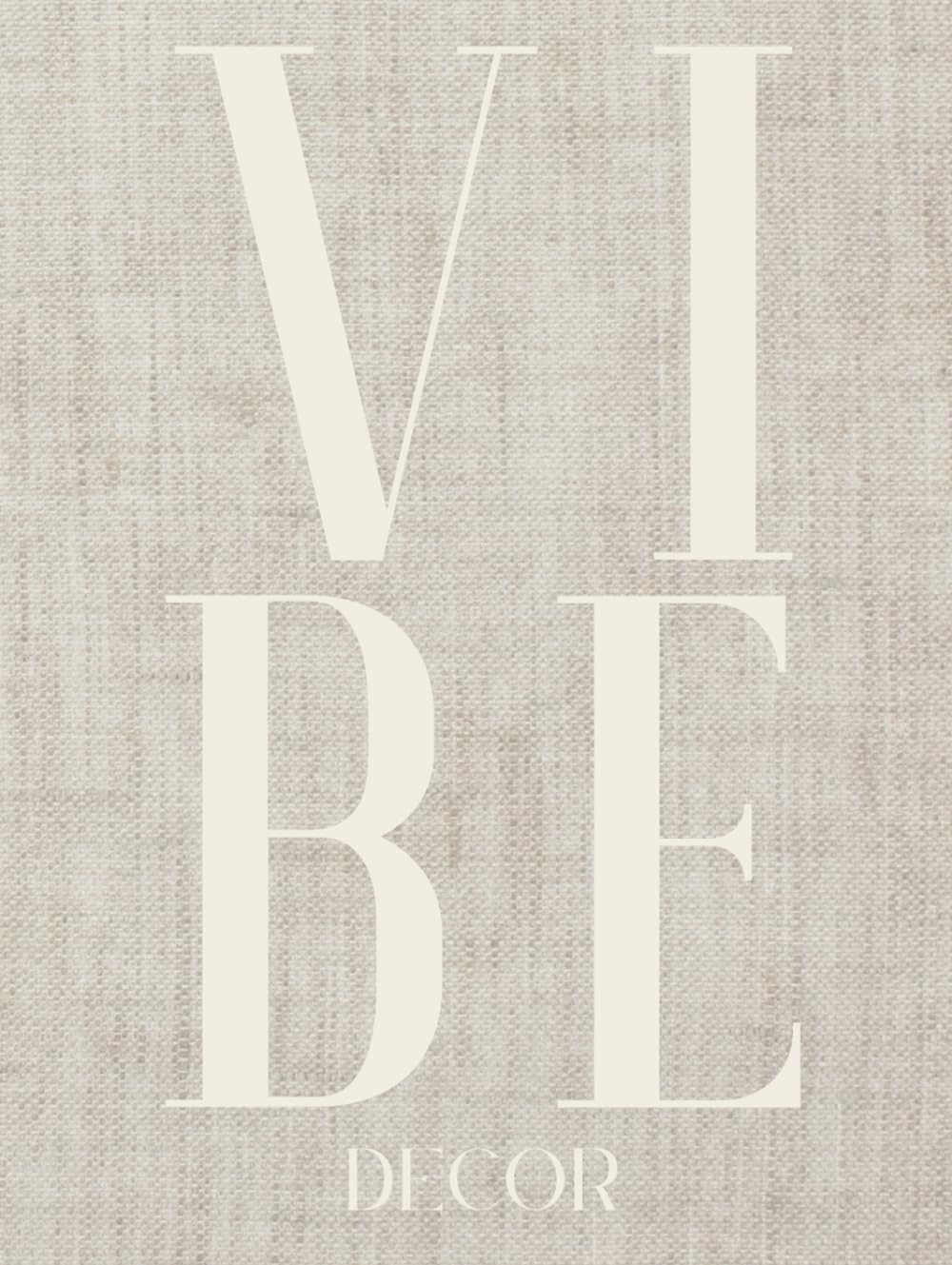
Vibe Decor Modern Trivia Hardcover Coffee Table Book by Encore Atelier | 500 Pages, Neutral Tones, Staging and Stacking
Pros
- Thick spine and substantial 500-page count gives it real visual presence on a shelf or table
- Neutral tones make it versatile enough to work with most existing color schemes
- Combines decorative staging value with actual readable trivia content
- Hardcover construction holds up well to repeated handling and stacking
Cons
- With only 12 reviews and a 3.4 rating, buyer confidence in long-term quality and print consistency is limited
- At $33.33, the price point is harder to justify compared to established coffee table books with stronger review histories
- The trivia format may feel thin for buyers expecting a full editorial or photo-driven design book
There is a specific kind of magic that happens when you land on the right coffee table book. It pulls a room together without requiring a single furniture purchase. Vibe Decor from Encore Atelier leans into that idea hard. The thick spine, the neutral cover, the sheer page count, all of it is calculated to look like it belongs in a thoughtfully styled space.
What separates this one from purely decorative blanks is the 250 modern design trivia questions inside. Guests actually pick it up. You actually read it. The note-taking and sketching space adds a personal layer that turns a styling prop into something that feels a little more lived-in and intentional.
If you want a stackable hardcover that pulls double duty as a genuine conversation starter without committing to a $75 art book, this one delivers.
Styles it works with: Modern Minimalist, Scandinavian, Contemporary, Transitional
Best placed in: Coffee table book stack in the living room, entryway console table, open bookshelf display in a home office or reading nook
May not suit: Heavily maximalist or ornate traditional interiors where bold color and pattern are expected from decorative objects; very small entryways where a thick hardcover can feel visually heavy without supporting pieces around it
Buy it if:
- You are building a curated stack of 3-4 coffee table books and need a thick neutral hardcover to anchor the group
- You want a book that looks styled but also gives guests something to actually flip through and engage with
- You are staging a shelf, entryway table, or coffee table on a tighter budget and need visual impact without a high spend
Consider waiting if:
- You prefer to see a larger base of verified reviews before committing to a newer product at this price
Skip it if:
- You are looking for a photo-heavy editorial design book rather than a trivia format
- You need a book with a bold or colorful cover to complement a maximalist or vibrant interior palette
Check the latest price and availability on Amazon before it sells out.
Ayiaren Round Decorative Tray for Coffee Table
This is your Step 1 anchor. The Ayiaren round wooden tray runs about 13 inches across, which lands right in the one-third-coverage sweet spot for a standard 48-inch table. The farmhouse-style finish leans neutral, so it won’t fight a modern or transitional room. At a 4.6 owner rating, reviewers consistently note it feels more substantial than the price suggests, with a flat base that doesn’t wobble under a book stack. Round edges soften the hard lines of square tables and glass tops. Use it slightly off-center, drop your books and objects inside, and the boundary does the styling work for you. It’s the single piece I’d buy first if you owned nothing else on this list.
Encore Atelier Vibe Decor Styling Book
This handles Step 2, height and stacking. The Vibe Decor hardcover is built as a styling prop, not a read, so be clear-eyed about that: its 3.4 rating reflects buyers who expected actual content and got a decorative block instead. As a staging piece, though, it does the job. The clean, photogenic spine stacks well and adds roughly an inch of lift on its own. Pair it with one book you already own to hit that 1.5 to 2-inch platform height. If you want a guaranteed-coordinated spine without hunting thrift shops, this is the shortcut. Just know you’re buying a prop, not a title.
UTTCMK Bookshelf Decor Thinker Statue
Step 3’s sculptural element, sorted. This abstract reading-figure sculpture brings the curve and personality that trays and books can’t. It stands small enough, well under that 8-inch ceiling, to sit beside your book stack without blocking sightlines across the sofa. The 4.6 rating points to owners who like its weight and matte finish, which photographs far better than glossy resin. Its quiet, contemplative shape works in modern, eclectic, and minimalist rooms alike. Set it on top of your book stack or just off the tray’s edge to form the third point of your height triangle. It’s the piece guests tend to pick up and ask about.
Frequently Asked Questions
What if my coffee table is round?
Round tables love round trays and tight, centered groupings. Skip the long rectangular layout and keep everything within a 12 to 14-inch circle near the middle. One tray, one small stack, one organic piece. Resist spreading items toward the edges; the curve looks best with a single anchored cluster rather than scattered corners.
What if my coffee table is small?
Edit hard. On anything under 36 inches, drop to two layers instead of four: a small tray plus one short stack with a single object on top. Keep at least half the surface clear so it stays usable. A 10-inch tray and one 6-inch sculpture can fully style a tiny table without crowding it.
What if I have a glass coffee table?
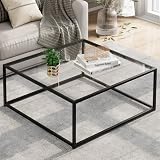
Glass shows everything, including the underside of trays and book stacks, so quality matters more. Choose a solid (not slatted) tray to create a clean visual base and hide the surface beneath. Wood or stone reads better than metal on glass. Keep the grouping minimal. Glass tables look best uncluttered, so three pieces max.
What if I have kids or pets?
Go low and unbreakable. Swap fragile ceramics and glass vases for a sturdy wooden tray, soft-cover or board books, and a faux stem instead of water. Keep candles out of reach. A weighted tray won’t tip if bumped, and faux greenery survives curious paws. Style the look, just choose forgiving materials.
What if I prefer a minimalist look?
Less, but deliberate. One object on an empty table reads as accidental; one object on a small tray reads as intentional. Keep it to two elements: a tray with a single sculptural piece, or a short stack with one stem. Leave at least two-thirds of the surface bare. Minimalism still needs an anchor.




Write Your Review
No reviews yet. Be the first to share your experience!