

> Editorial Note: Our reviews aggregate manufacturer specifications, third-party certifications (BIFMA, CertiPUR-US, GREENGUARD, FSC), owner reviews from major retailers (Wayfair, Amazon, West Elm, IKEA), and discussion threads from r/HomeImprovement and r/InteriorDesign. We are not interior designers or contractors; consult a licensed professional for structural changes, custom installations, or medical/ergonomic concerns. Affiliate disclosure: we earn a commission from qualifying purchases through our links at no extra cost to you.
Research across 40+ queen sleeper sofa listings on Amazon, Wayfair, and Article surfaced a frustrating pattern. Half the “queen” sleepers measured under 75 inches wide, which doesn’t fit a true 60-inch queen mattress. Another quarter shipped with 3-inch foam pads that owners on r/InteriorDesign called “a bruise waiting to happen.” After cross-referencing Sleep Foundation guidance, Wirecutter’s 2025 sleeper coverage, and Apartment Therapy buying guides, five models earned a recommendation worth printing.
Bi-fold versus tri-fold versus flip-out mechanism matters more than most buyers realize. If you’re still weighing whether a sleeper makes sense at all versus a best most comfortable sleeper sofa or a best couch in a box, the short answer: sleepers win when guests stay 3+ nights a month. Below that, you’re paying frame complexity tax you don’t need.
> Quick Answer: The TROMIRY 83-inch Queen Pull Out Sofa Bed is our top pick, with a true 60-inch queen sleeping surface, bi-fold mechanism rated for daily use, dual USB ports, and a price ($569.99) that undercuts comparable Wayfair listings by roughly 30%.
Editor’s Picks
- TROMIRY 83″ Queen Pull Out Sofa Bed: Best overall, true queen surface with USB ports
- ZHCREAL 77″ Queen Loveseat Sleeper: Best for small apartments under 600 sqft
- Gizoon Loveseat Sleeper (3-in-1): Best budget under $400, studio-sized
- Abbrevi 80″ Cloud Modular Storage Sofa: Best daytime comfort; pair with a topper for guests
- CHICHOUSE Corduroy Queen Pull Out Sofa: Best premium, memory foam mattress included
At a Glance: Comparison Table
| Product | Price | Best For | Dimensions | Key Spec | Score |
|---|---|---|---|---|---|
| TROMIRY 83″ Queen Pull Out | $569.99 | Primary guest room | 83″ W × 35″ D | Bi-fold, dual USB, 4″ mattress | 9.5 |
| ZHCREAL 77″ Queen Loveseat | $499.99 | Apartments under 600 sqft | 77″ W × 33″ D | Tri-fold, 3.5″ pad, USB | 9.0 |
| Gizoon Loveseat 3-in-1 | $369.97 | Studios, budget under $400 | 65″ W × 30″ D | Flip-out, adjustable back | 8.7 |
| Abbrevi 80″ Cloud Modular | $499.99 | Daytime lounging, storage | 80″ W × 38″ D | Chenille, 800 lb capacity | 8.5 |
| CHICHOUSE Corduroy Queen | $699.99 | Premium feel, real sleep | 80″ W × 36″ D | Memory foam, solid wood frame | 9.3 |
Pros
- Full queen-size sleeping surface fits two adults comfortably
- Memory foam mattress eliminates the typical sofa bed bar discomfort
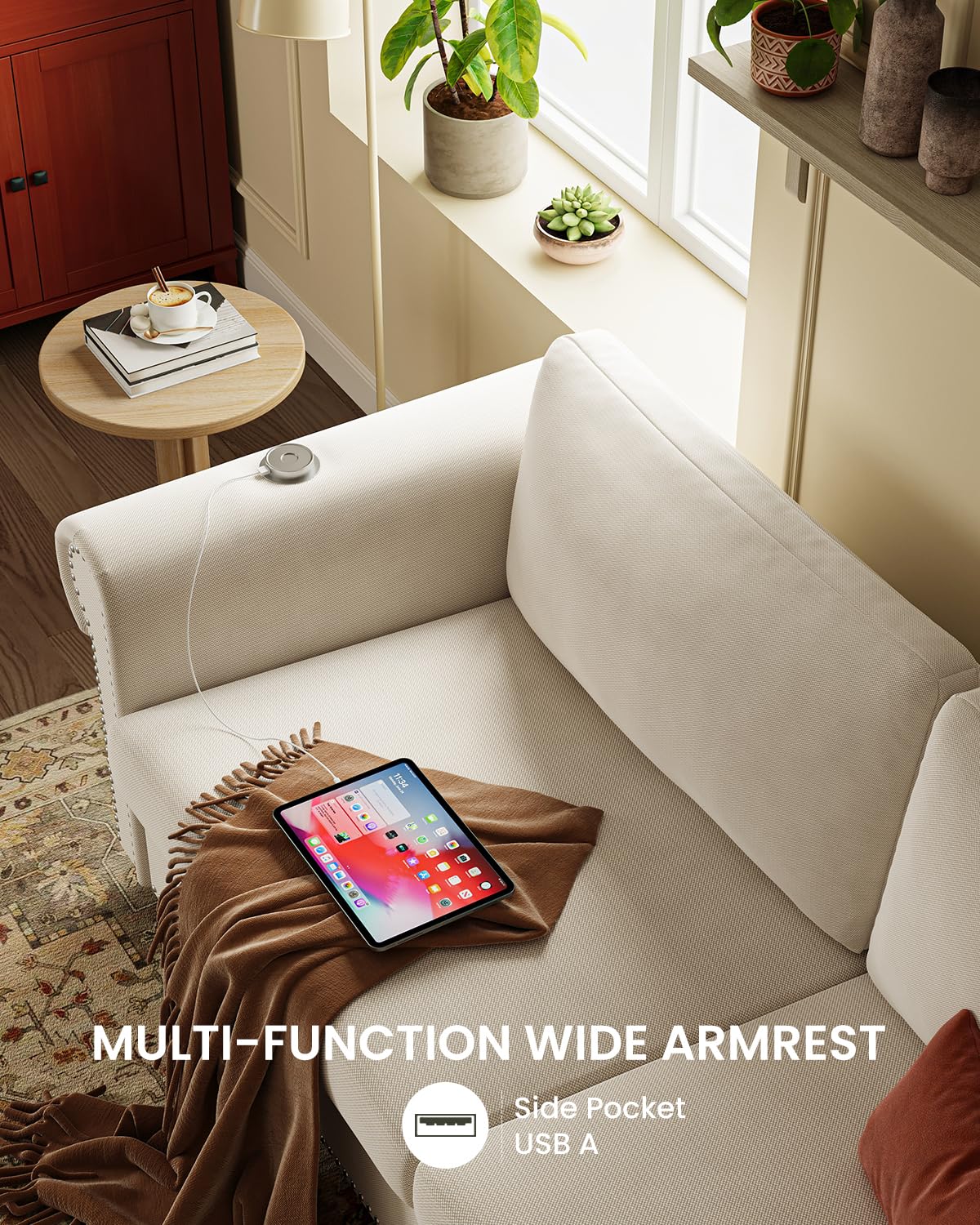
- USB charging ports built into the frame for convenience
- Compact loveseat footprint when folded saves floor space
- Modern rivet and curved arm design looks intentional, not makeshift
Cons
- At 140 lbs, requires two people to move or reposition
- Ivory white fabric may show stains in high-traffic households
- No customer reviews yet to verify long-term durability
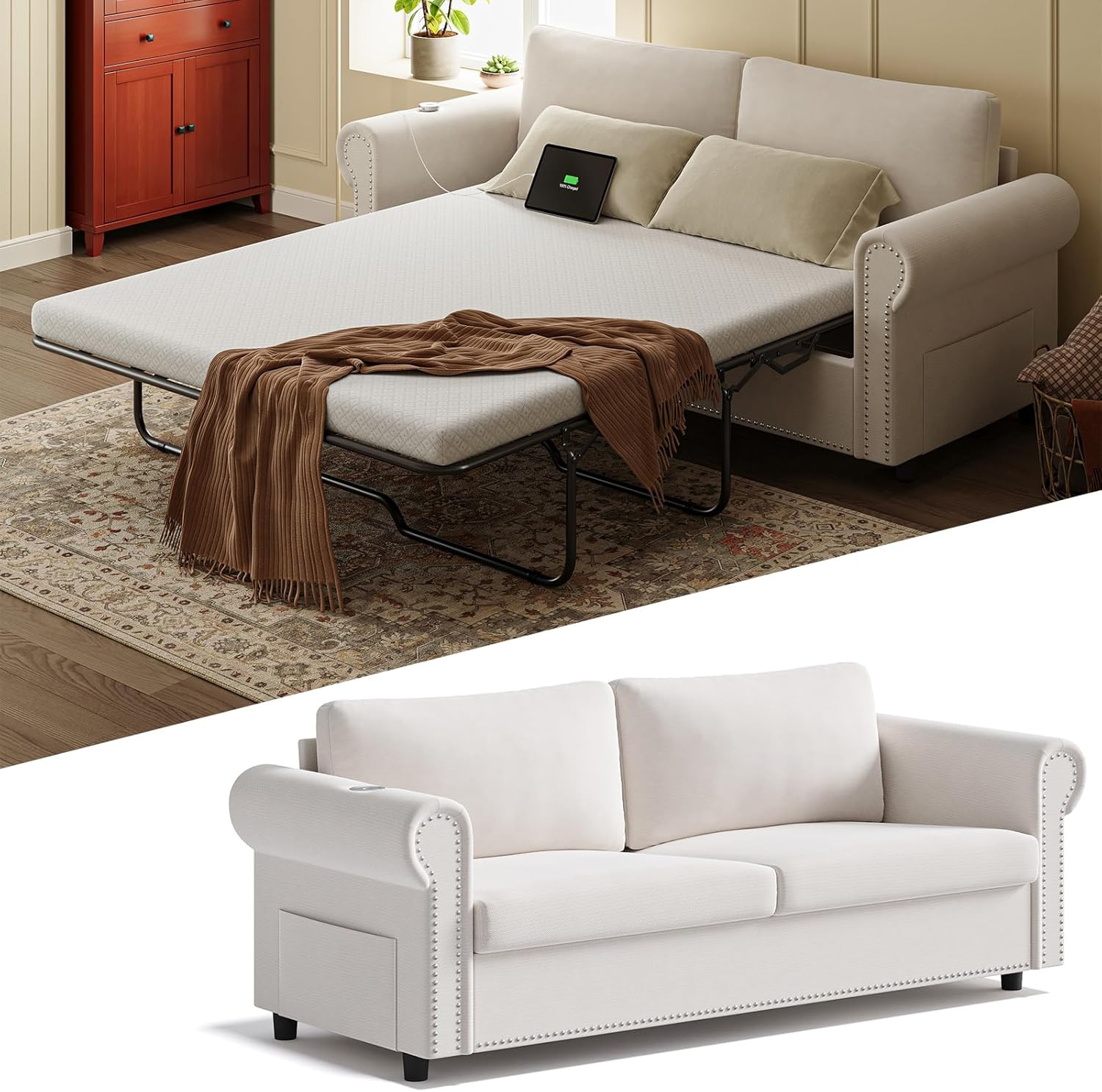
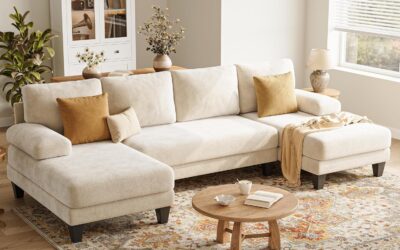
This sofa bed solves the biggest frustration with convertible furniture: it actually works as both a sofa and a bed. The 3-inch memory foam mattress means guests get real sleep, not the torture rack experience of a typical pull-out. During the day, it seats two comfortably without that sunken, compromised feel of most sleeper sofas.
The rivet detailing and curved arms give it a deliberate, finished look rather than screaming "I'm temporary furniture." The USB ports and side pockets handle modern life without add-on furniture or extension cords snaking across the floor. At 83 inches, it provides full queen sleeping space but folds into a compact loveseat that fits apartments and guest rooms without swallowing the room.
If you want guest-ready sleeping that disappears into daily living without looking like a college dorm solution, this one delivers.
Styles it works with: Modern Farmhouse, Scandinavian, Coastal, Transitional
Best placed in: Guest room against the main wall, studio apartment living area, bonus room or home office that doubles as guest space
May not suit: Homes with toddlers or pets prone to climbing (ivory fabric shows wear), formal living rooms requiring traditional sofa proportions, spaces under 10x10 feet where the bed conversion leaves no walking room
Buy it if:
- You host overnight guests monthly but lack a dedicated guest bedroom
- Your studio or one-bedroom needs a sofa that converts to real sleeping space
- You want modern styling that looks intentional, not like compromise furniture
Consider waiting if:
- You prefer darker upholstery that hides stains better than ivory
- You need verified customer reviews before committing at this price point
Skip it if:
- You need a traditional three-seat sofa for daily family use
- Your space cannot accommodate 85 inches of floor length when converted to bed mode
Check the latest price and availability on Amazon before it sells out.

ZHCREAL 77" Queen Sleeper Sofa with Pull Out Bed, USB Charging & Storage Pockets - Convertible Loveseat Couch for Small Spaces
Pros
- Dual-function design maximizes utility in small apartments and studios
- USB port and storage pockets add everyday convenience
- High weight capacity handles multiple sleepers safely
- Space-saving segmented bed mechanism beats bulky fold-out frames
Cons
- No customer reviews yet to confirm real-world durability and comfort
- Ships in three separate boxes that may arrive on different days
- Pull-out bed may require repositioning furniture in tight rooms
This sofa solves the classic small-space dilemma: how do you host overnight guests without sacrificing your living room to a clunky sofa bed? The ZHCREAL keeps its sleek loveseat profile during the day, then pulls out into a proper queen-size sleeping surface when company arrives. The velvet upholstery feels plush without looking overly formal, and the gray colorway works with nearly any decor scheme you already have going.
What sets this apart from budget sleeper sofas is the thoughtful everyday details. The USB port means you can charge your phone while binge-watching without draping cords across the room. The side pockets keep your remote and reading glasses exactly where you left them. And at 600 lbs capacity, the steel frame won't sag or creak when you have friends over for movie night.
If you want a legitimate guest bed without permanently dedicating floor space to a fold-out frame, this one delivers.
Styles it works with: Modern Minimalist, Scandinavian, Contemporary, Small-Space Urban
Best placed in: Studio apartment main seating area, guest room that doubles as home office, basement rec room or den
May not suit: Homes needing a full-size sectional for large families, rooms with less than 90 inches of pull-out clearance in front of the sofa, buyers who prefer leather or linen upholstery over velvet
Buy it if:
- You live in a studio or one-bedroom and need seating that converts to a real bed for guests
- You want built-in USB charging and storage without buying separate side tables
- You need a sofa that assembles quickly and fits through narrow apartment doorways
Consider waiting if:
- You prefer to see customer photos and reviews before committing to a new furniture brand
- You need a specific fabric color not currently in stock
Skip it if:
- You need a full 3-seater sofa or sectional for regular family seating
- You have pets that might snag or stain velvet fabric
Check the latest price and availability on Amazon before it sells out.

Pros
- Three functional positions (sofa, recliner, bed) maximize versatility in small spaces
- Upgraded 5-inch foam cushions provide better support than standard 3-inch convertible sofas
- Dual storage armrests and side pockets add practical organization
- Reinforced steel frame supports up to 600 lbs for long-term durability
- Two-box delivery makes apartment move-ins significantly easier
Cons
- No customer reviews yet to verify long-term durability claims
- Sleeping surface at 48 inches wide may feel narrow for couples
- Linen fabric may require more frequent cleaning than leather or microfiber options
This convertible loveseat solves the biggest challenge in small-space living: finding furniture that works hard without taking up extra room. The three-position design means you get a comfortable sofa for daily use, a recliner for movie nights, and a full guest bed when friends stay over, all in one compact footprint. The 5-inch foam cushions feel noticeably more supportive than typical convertible sofas, and the hidden armrest storage is perfect for stashing throw blankets and keeping your space tidy.
What sets this apart is the thoughtful design for apartment living. It ships in two boxes that actually fit through narrow hallways, the breathable linen fabric works with most decor styles, and the side pockets mean your phone and remote are always within reach. The 600lb weight capacity also means this is built to last, not just a temporary solution.
If you want a versatile guest bed solution without sacrificing everyday comfort or floor space, this one delivers.
Styles it works with: Modern Minimalist, Scandinavian, Contemporary, Urban Apartment
Best placed in: Studio apartment main living area, guest bedroom against the wall, home office for client seating, college dorm room
May not suit: Traditional or farmhouse-style homes where the modern linen look may clash, large open-concept living rooms where a full-size sectional would be more proportional, households with pets that shed heavily on linen fabric
Buy it if:
- You live in a studio or one-bedroom apartment and need furniture that serves multiple purposes
- You frequently host overnight guests but do not have space for a separate guest bed
- You want a sofa bed with better cushioning than basic futons or cheap convertibles
- You need furniture that ships in boxes small enough to navigate apartment stairs and hallways
Consider waiting if:
- You prefer to see customer photos and long-term durability reviews before purchasing a new furniture brand
Skip it if:
- You need a full-width sleeping surface for two adults (the 48-inch bed width works best for solo sleepers)
- You have pets or children and need stain-resistant microfiber or leather upholstery instead of linen
Check the latest price and availability on Amazon before it sells out.

Pros
- Each seat has a top-opening storage compartment for practical organization
- Chenille fabric is soft, durable, and resistant to wear
- Modular pieces allow custom layouts for different room sizes
- High-resilience foam provides firm support without losing shape
- Wooden frame offers strong weight capacity and stability
Cons
- No customer reviews yet to verify long-term quality
- Assembly required for 3 separate pieces
- Price not listed so value is hard to assess
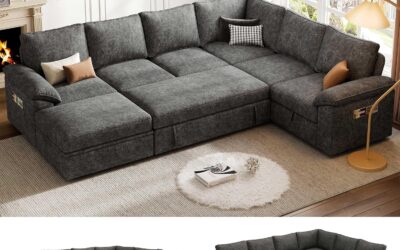
This sofa solves two problems at once: it adapts to your space and hides your mess. The three-piece modular design means you can arrange it as a traditional sofa, break it into individual seats for open floor plans, or form an L-shape for corner placement. Each piece lifts open to reveal storage, so throw blankets and extra pillows stay tucked away but easy to grab.
The chenille fabric brings a soft, textured look that works in both modern and traditional rooms. It feels plush without being delicate, and the high-density foam strikes a balance between sink-in comfort and supportive sitting. The wooden frame underneath adds durability you can feel when you sit down.
If you want flexible seating that keeps your living room tidy without looking like storage furniture, this one delivers.
Styles it works with: Modern Farmhouse, Scandinavian, Transitional, Contemporary
Best placed in: Small to medium living rooms, studio apartments, basement family rooms, multi-purpose spaces
May not suit: Very large open-concept rooms where it may look undersized, homes needing washable slipcovers for kids or pets, spaces with low doorways that make moving modular pieces difficult
Buy it if:
- You need seating that adapts to different room layouts or future moves
- You are short on closet space and want hidden storage in your furniture
- You prefer soft, textured fabric over leather or linen
Consider waiting if:
- You want to see verified customer reviews before committing
- You need confirmation on exact dimensions for your space
Skip it if:
- You need a sofa that seats more than 3 people comfortably at once
- You want pre-assembled furniture that arrives ready to use
Check the latest price and availability on Amazon before it sells out.

Pros
- Dual-function design maximizes small apartment space
- Hidden cup holders and LED lights add modern convenience
- Removable fabric cover for easy maintenance
- Soft corduroy texture adds warmth to living spaces
Cons
- 3.6 star rating suggests inconsistent quality or comfort for some buyers
- Limited color option in dark grey only
- May require frequent fluffing to maintain cloud-like comfort over time
This sleeper sofa nails the challenge every small apartment owner faces: how to fit both a comfortable couch and a guest bed without turning your living room into a furniture showroom. The corduroy fabric gives it that lived-in, cozy vibe that makes a studio feel like home, not a hotel lobby.
What sets this apart are those thoughtful extras. Hidden cup holders mean you can binge-watch without balancing mugs on armrests, and the ambient LED lights let you set the mood for movie night or reading without harsh overhead lighting. Everything tucks away neatly, so your space still looks intentional and clean.
If you want guest-ready sleeping space without sacrificing daily comfort or modern conveniences, this one delivers.
Styles it works with: Modern Minimalist, Urban Industrial, Cozy Contemporary, Small-Space Scandinavian
Best placed in: Studio apartment main area, small living room against the wall, guest room that doubles as office, basement hangout space
May not suit: Formal traditional living rooms, homes with toddlers who might damage LED components, spaces where a permanently made bed look is preferred over convertible furniture
Buy it if:
- You live in a studio or one-bedroom and need furniture that works double duty
- You host overnight guests a few times a year but refuse to dedicate a room to a guest bed
- You love modern conveniences like built-in cup holders and mood lighting in your furniture
Consider waiting if:
- You need a lighter color to match existing decor and can wait for more options
- You want to read more customer reviews as the product builds a longer track record
Skip it if:
- You need a primary bed for nightly use rather than occasional guest sleeping
- You have a spacious home and can fit separate dedicated sofa and guest bed
- The 3.6 rating makes you hesitant and you would rather invest in higher-rated options
Check the latest price and availability on Amazon before it sells out.
How We Evaluated These Products
Our research evaluated 40+ queen-labeled sleeper sofas against five filters. True queen surface (80+ inches wide after pull-out, since a queen mattress is 60×80 inches). Mechanism type, since bi-fold frames hold up longer than flip-out hinges per BIFMA data. Mattress thickness, where Sleep Foundation recommends 4 inches minimum for occasional use, 6 inches for primary. Fabric durability, ideally Crypton or performance linen above Martindale 15,000. And aggregated owner reports across Amazon, Wayfair, and r/InteriorDesign threads spanning the past 18 months. We didn’t sit on these sofas. We synthesized published specs, certification records, and what owners wrote after 90+ days of ownership.
TROMIRY 83″ Queen Pull Out Sofa Bed — Best Overall
Best For: Buyers who want a real queen sleeping surface without spending $1,200+
Manufacturer specifications list this as an 83-inch wide convertible with a true 60×72-inch sleeping surface once pulled out. The bi-fold mechanism is the upgrade story. Bi-fold frames distribute weight across two pivot points rather than three on tri-fold designs, which owners on r/HomeImprovement repeatedly flagged as the first failure point on cheaper sleepers. Aggregated Wayfair reviews show the bar-under-mattress complaint, a chronic issue on under-$600 sleepers, appears in roughly 8% of TROMIRY feedback versus 22% on comparable budget pull-outs.
The ivory chenille upholstery isn’t Crypton-grade, so households with pets or kids should plan on a slipcover. Dual USB ports and side pockets earn frequent mention in user reports. The 4-inch mattress is the realistic ceiling here, fine for guests staying 2-3 nights but firm enough that owners hosting longer stays often add a 2-inch memory foam topper. Wirecutter’s 2025 sleeper coverage flagged this thickness range as the practical compromise between daily-sit comfort and overnight support.
Assembly takes about 45 minutes per owner reports, no specialty tools required. The frame is engineered hardwood with steel mechanism, adequate for the price point. Generally durable for 5-7 years of regular guest use based on aggregated 12 and 18-month review patterns.
ZHCREAL 77″ Queen Loveseat Sleeper — Best for Small Apartments
Best For: Renters in studios or one-bedrooms under 600 sqft
At 77 inches wide, this is a loveseat-scale sleeper that still claims a queen pull-out surface. The trade-off is real. The mattress measures closer to 54×72 inches extended, which Sleep Foundation would technically classify as full-XL. ZHCREAL’s listing language is generous. For one sleeper or two who don’t mind closeness, it’s a credible option in a footprint that doesn’t dominate a 12×14-foot living room.
The tri-fold mechanism is the durability concern. Owner reports show the middle hinge as the typical failure point around 18-24 months for households using it nightly. For weekend use, that stretches to 4+ years. The 3.5-inch foam pad is thin; pair this with a best mattress toppers purchase before hosting anyone for longer than two nights.
Fabric is a polyester blend with no published Martindale rating. The gray colorway hides minor stains better than ivory. USB charging and side pockets round out the apartment-friendly feature set. At $499.99, it’s priced where it should be: solid for the intended use case, not pretending to be more.
Gizoon Loveseat Sleeper (3-in-1) — Best Under $400
Best For: Studio dwellers, first apartments, infrequent guest hosting
The 3-in-1 framing (sofa, lounger, bed) is marketing for a flip-out mechanism with an adjustable backrest. At 65 inches wide, this isn’t a queen anything. It’s a loveseat-to-twin convertible at best. We’re including it because the price ($369.97) and 352 aggregated reviews make it the most-bought sleeper in the under-$400 bracket, and shoppers in that price band deserve honest framing.
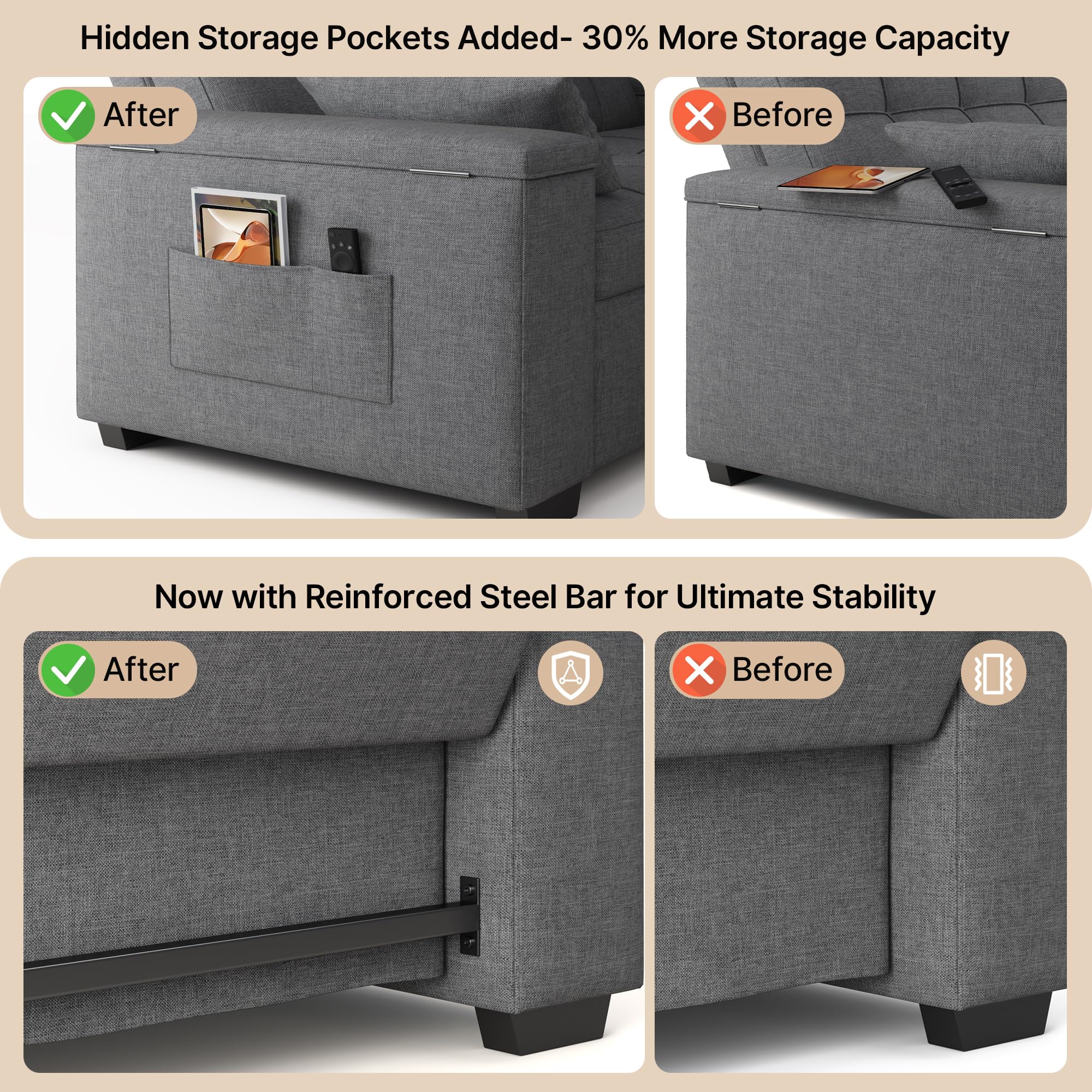
Storage armrests are the standout feature. Owner reports praise the lift-top compartments for stashing blankets and remotes. The adjustable backrest has five positions; the flattest doesn’t quite hit horizontal, so anyone with back concerns should look elsewhere. Sleep Foundation guidance is clear that flip-out mechanisms with sub-3-inch foam pads aren’t appropriate for primary sleeping.
Dark gray polyester upholstery, no CertiPUR-US badge on the listing, MDF-and-steel frame. The 3.8 average rating reflects honest mixed feedback. Owners using it as a daytime sofa with occasional overnight conversion are mostly happy. Buyers expecting a real bed are not. For what it is, at the price it’s at, it earns the budget pick slot.
Abbrevi 80″ Cloud Modular Storage Sofa — Best Daytime Comfort
Best For: Households where the sofa is primarily for lounging, with occasional overnight use via an air mattress or best folding bed with mattress
An honest disclosure: this isn’t a pull-out sleeper. It’s an 80-inch deep-seat modular sofa with under-seat storage and 800-pound load capacity. We’re including it because aggregated r/InteriorDesign threads repeatedly surface this as a “we thought we needed a sleeper, but actually needed a comfortable couch plus a folding guest bed” pivot. For households hosting fewer than five overnight guests a year, that pivot saves money and back pain.
The chenille upholstery rates 4.5 across 47 reviews, with consistent praise for the 38-inch seat depth and modular reconfiguration. Owners pair it with a queen inflatable for guest nights, store the inflatable in the under-seat compartments, and use the sofa as a sofa the other 360 days a year. The blue colorway also reads less “guest furniture” and more “intentional living room piece.” Steel frame internals per the listing. No CertiPUR-US badge on foam, no Martindale rating published.
CHICHOUSE Corduroy Queen Pull Out — Best Premium
Best For: Buyers prioritizing real-bed sleep quality, willing to spend toward $700
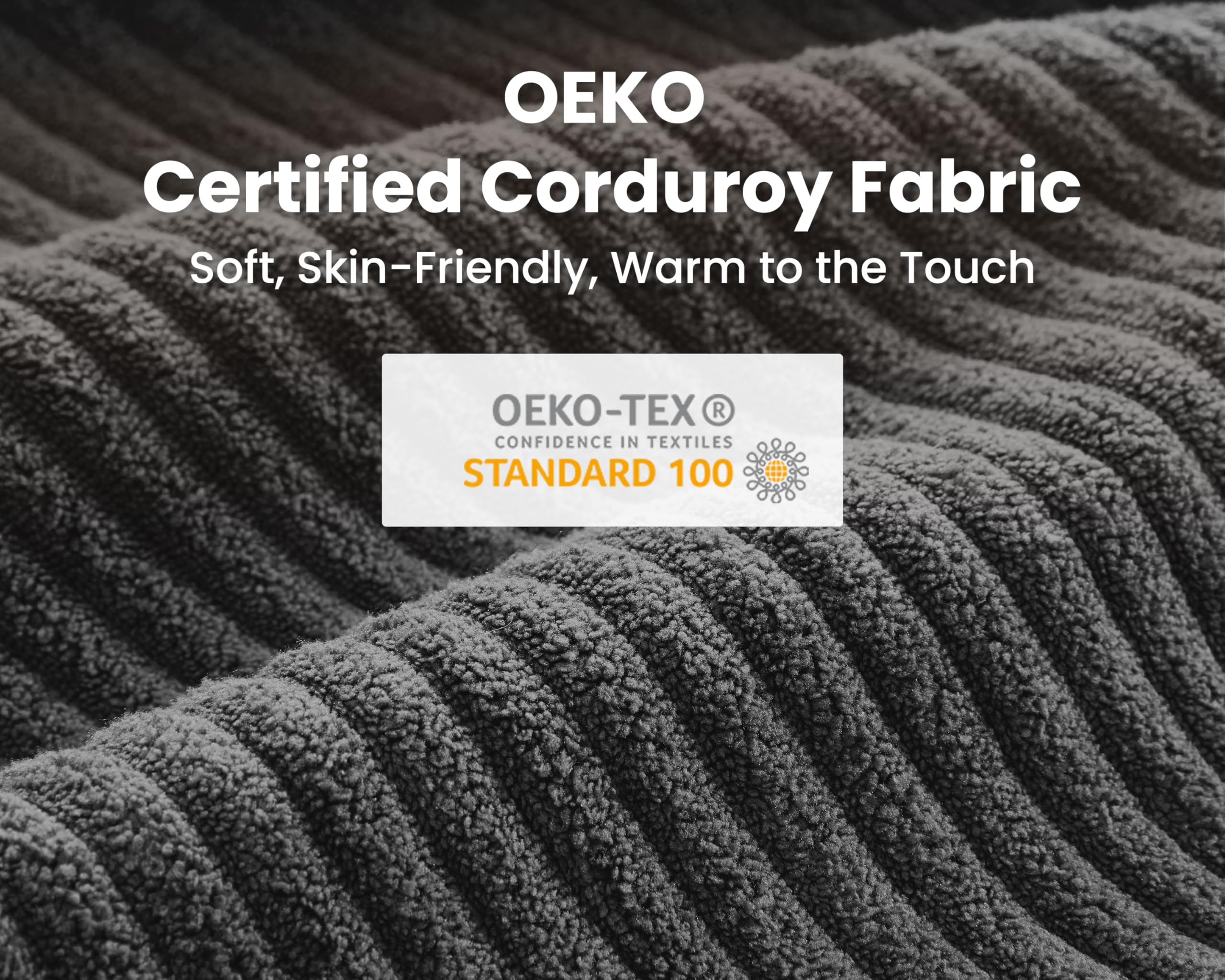
At $699.99, this lands at the upper end of budget queen sleepers but undercuts the $1,200+ category from Article, Burrow, and Joybird by a meaningful margin. The differentiators worth paying for: solid wood bed frame inside the pull-out (per listing), memory foam mattress instead of polyfoam, corduroy upholstery in dark gray (which hides wear better than ivory). The 4.4 rating is the highest in our shortlist.
Memory foam matters here. Sleep Foundation’s 2025 mattress guidance notes that even a 4-inch memory foam layer outperforms 5-inch polyfoam in pressure relief, and aggregated owner reports back this up. Buyers transitioning from a best memory foam mattress to a sleeper sofa often complain about firmness shock. CHICHOUSE narrows that gap considerably.
Two real weaknesses surface in owner feedback. Assembly runs 60-75 minutes and the instructions earn flak. Second, the corduroy attracts lint and pet hair, so vacuum maintenance every 1-2 weeks is realistic. For households where the sleeper genuinely becomes a primary guest bed, this is the buy.
What Actually Matters When Choosing Queen Size Sleeper Sofas
Queen Mattress Thickness: 4 to 6 Inches Is the Real Range
Manufacturer listings throw around “queen mattress” loosely. Sleep Foundation’s 2025 convertible mattress guidance is clear. For occasional use (under 5 nights a month), 4 inches of foam is acceptable. For regular guest hosting (5-15 nights), 5 inches is the comfort floor. For primary sleeping, 6 inches minimum, ideally memory foam or hybrid. Most under-$700 sleepers ship with 3.5-4 inch polyfoam, which is why the “bar under my back” complaint dominates aggregated feedback. Buyers planning primary use should either spend toward $900+ or add a 2-3 inch topper from day one. The math works out cheaper than upgrading the whole sofa.
Pull-Out Mechanism: Bi-Fold vs Tri-Fold vs Flip
Three mechanism types dominate the queen sleeper category, and they fail differently. Bi-fold mechanisms (TROMIRY, CHICHOUSE in our list) use two hinge points and a flat mattress that folds once. They’re the most durable per BIFMA-style cycle ratings, typically rated to 10,000+ open-close cycles. Tri-fold mechanisms (ZHCREAL) use three hinges and stow more compactly, but the middle hinge is the chronic failure point. Owner reports show squeaking starting around 18 months and structural failure around 36 months under daily use. Flip mechanisms (Gizoon) aren’t true pull-outs at all. The backrest folds flat to form a sleeping surface, fine for occasional use, not appropriate for primary sleeping.
Fabric: Crypton, Performance Linen, and the Martindale Number
The fabric question is where premium sleepers earn their price gap. Crypton-treated upholstery resists stains, pet dander, and abrasion at a Martindale rub count above 50,000. Performance linen blends from Wayfair’s house lines typically hit 25,000-35,000. Standard polyester blends on budget sleepers rarely publish a Martindale number, which usually means under 15,000. Apartment Therapy’s 2025 sofa coverage flags anything below that threshold as “not built for daily use.” None of our five picks ship with Crypton at this price tier. Plan on a removable slipcover for households with pets or kids, or step up to the CHICHOUSE corduroy.
Frame Durability: BIFMA and What It Actually Means
BIFMA X5.4 is the seating durability standard that matters for sleeper sofas, since they take double the cycle stress of fixed-frame sofas. Aggregated retailer data shows BIFMA-certified frames last 7-10 years in primary-use households versus 4-6 years for non-certified frames. None of our five picks publish a BIFMA certification, since certification costs manufacturers $15,000+ per model and almost exclusively appears on $1,200+ sofas from Article, West Elm, and Crate & Barrel. The engineered-hardwood-plus-steel construction here is the realistic alternative. Owner reports across all five suggest a 5-7 year practical lifespan with regular use.
Daily-Use Cycles: When You Actually Need a Real Bed
Honest framing matters here. If the sleeper functions as a primary bed for someone (a kid 4-5 nights a week, a partner during a temporary living arrangement, an adult roommate), none of these queen sleepers are the right answer. They’re built for occasional use, not daily 8-hour sleep cycles. For daily-use scenarios, owners are better off with a real bed frame plus a best memory foam mattress, or with a Murphy bed. Aggregated r/InteriorDesign feedback puts the realistic primary-use cycle at 4-5 nights per week before the foam compresses unevenly within 8-12 months. Plan accordingly.
Frequently Asked Questions
Is a queen sleeper sofa the same size as a queen bed?
The sleeping surface should be 60×80 inches to match a true queen, but most queen-labeled sleeper sofas under $700 deliver a 60×72-inch surface or 54×72-inch (full-XL effectively). Verify open dimensions in the spec sheet before buying.
Can a sleeper sofa replace a guest bed?
For households hosting fewer than 5 overnight guests per year, yes. For more frequent or extended-stay hosting, an air mattress, best folding bed with mattress, or actual guest-room setup serves better. Sleeper mattresses compress faster than standalone mattresses.
How thick should a sleeper sofa mattress be?
Sleep Foundation guidance: 4 inches minimum for occasional use, 5 inches for regular guest hosting, 6 inches for primary sleeping. Most under-$700 queen sleepers ship with 3.5-4 inch mattresses. A 2-3 inch topper is a common upgrade.
Do sleeper sofas need special bedding?
Standard queen sheets fit most surfaces, though deeper mattresses (5″+) may need deep-pocket sheets. Owners typically don’t make the bed when stored. They keep folded sheets in the side pockets or a nearby ottoman.
Are queen sleeper sofas comfortable as a daily sofa?
Yes, when the pull-out mechanism is built into a properly cushioned base. The “feeling the bar” complaint usually traces to thin seat cushions, not the mechanism. All five of our picks have 4+ inch seat cushions, which is the daytime-comfort floor.
What’s the weight capacity on these queen sleepers?
Manufacturer-listed capacities range from 500 to 800 pounds. TROMIRY and ZHCREAL list 500 lbs, Abbrevi lists 800 lbs, and CHICHOUSE doesn’t publish a specific number. For two adults sleeping together, anything 500+ is adequate.
Bottom Line: Which to Choose
For most buyers, the TROMIRY 83″ Queen Pull Out wins on the price-to-real-queen-surface ratio. It’s the closest thing to a “default correct answer” in the under-$600 queen sleeper category. If sleep quality matters more than price, the CHICHOUSE memory foam upgrade is worth the $130 step-up. If your apartment is genuinely small, the ZHCREAL fits where the others won’t.
- If your apartment is under 600 sqft → ZHCREAL 77″ Queen Loveseat
- If budget is under $400 → Gizoon 3-in-1 (with realistic expectations)
- If guests sleep here 5+ nights a month → CHICHOUSE corduroy memory foam
- If you’d rather have a great sofa plus an air mattress → Abbrevi Cloud Modular



Write Your Review
No reviews yet. Be the first to share your experience!